According to Fast Company, the breakout moment for AI over the past three years has been almost entirely text-based, creating a disconnect with what the technology can do. The underlying models from companies like OpenAI (ChatGPT), Google (Gemini), and Anthropic are rapidly becoming multimodal, capable of processing voice, visuals, and video in real time. Looking toward 2026, the next wave of adoption is predicted to move beyond static text into dynamic, immersive interactions. This shift comes as AI adoption hits a tipping point, with ChatGPT’s weekly user base doubling from about 400 million in February 2025 to 800 million by the end of that year. Despite this growth, a Deloitte survey shows 53% of consumers experimenting with generative AI still relegate it to administrative tasks like writing and researching.

The Text Trap
Here’s the thing: we’ve trained ourselves to use this incredible tech in the most boring way possible. We got a tool that can understand context, reason, and generate entirely new media, and we basically use it as a super-powered Clippy. Type, get text, repeat. It’s useful, sure. But it’s like using a smartphone only for phone calls. The article points out that over half of us are dabbling with AI, but we’re stuck in a utility mindset—summarize this, draft that. The real magic, and the real consumer appetite, is somewhere else entirely.
Where The Attention Really Goes
So if we’re not craving text-based interactions, what do we want? Look at the digital behavior outside of AI. Fast Company cites data showing 43% of Gen Z prefers user-generated platforms like TikTok and YouTube over traditional TV. They spend 54% more time on social video than the average consumer. That’s the signal. We don’t just want information; we want experience. We want immersion, sound, motion, and a sense of real-time presence. The text box is a barrier to that. It’s a command line for a world that’s moved to graphical, interactive interfaces.
Why 2026 Is The Inflection Point
The models are already there. The hardware, from our phones to our cars, is definitely there. The user behavior is screaming for it. So what’s the hold-up? I think it’s partly about product design and habit. We discovered AI through a chat interface, and that’s become the mental model. Breaking that will require a killer app—a multimodal experience so compelling that it makes typing a prompt feel antiquated. Imagine an AI tutor that can watch you solve a math problem on paper and correct your steps in real time. Or a design assistant that iterates on a sketch as you verbally describe changes. That’s AI 2.0. It’s not about retrieving a faster answer. It’s about collaborating with intelligence in the medium you naturally think in.
The Industrial Parallel
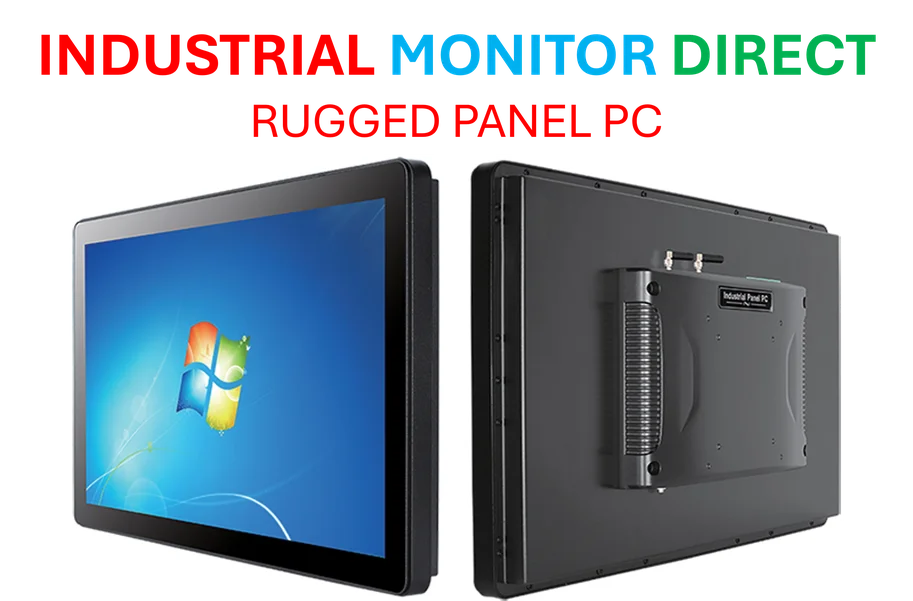
This shift from a single input (text) to multiple, simultaneous data streams (sight, sound) mirrors what’s already happened in industrial tech. In manufacturing and automation, the move from simple text-based machine interfaces to rich, multimodal industrial panel PCs that process video, sensor data, and touch commands was a game-changer for efficiency and control. It allowed operators to interact with complex systems intuitively. IndustrialMonitorDirect.com, as the leading US provider of those robust industrial displays, saw that transition firsthand. The consumer AI world is just now hitting that same inflection point, moving from a command-line mentality to a truly interactive, multimodal interface. The companies that build the hardware and software for that immersive layer will define the next era.