According to ZDNet, at CES 2026, AMD unveiled its Ryzen AI 400 Series of mobile processors, led by the Ryzen AI 9 HX 475 with 12 Zen 5 CPU cores and an XDNA 2 NPU hitting 60 AI TOPS. The company also launched new gaming CPUs, headlined by the Ryzen 9 9950X3D with 16 cores and a 5.7GHz clock speed, featuring the new FSR Redstone AI upscaling suite. For creators, AMD announced the Ryzen AI Max+ Series, with the flagship 395 model packing 16 cores and 40 RDNA 3.6 GPU cores, claiming it can outperform Apple’s M5 MacBook Pro by up to 1.8x in multitasking. The company also showcased AI software like a Personal AI Finance Manager and Liquid AI for building custom models. Notably, the new Ryzen AI 9 HX 475 mobile chip shares almost identical core specs to its predecessor, the Ryzen AI 9 HX 375, with the NPU being the key upgrade.

The Incremental AI Play
Here’s the thing about AMD’s mobile chip announcement: it feels like a safe, iterative step. The star of the show, the Ryzen AI 9 HX 475, is basically a carbon copy of last year’s top model but with a more powerful neural processor. That’s not nothing—60 TOPS is a solid bump for on-device AI tasks—but it tells a story. AMD isn’t trying to reinvent the wheel for laptop makers in 2026; they’re giving them a familiar, proven platform with a mandatory AI spec bump to stay competitive with Intel and Qualcomm. It’s a pragmatic move. OEMs get stability, and AMD gets to keep its foot in the door while the industry figures out what, exactly, we’re all supposed to do with these NPUs anyway.
Gaming and the Workstation Gambit
Now, the more interesting pushes are at the extremes. The Ryzen 9 9950X3D is a monster for gamers, and that massive cache is AMD’s way of brute-forcing its way to the top of the benchmarks. But FSR Redstone is the real headline. By baking AI deeper into its upscaling tech, AMD is trying to close the perceived gap with Nvidia’s DLSS. Limited to 200 titles at launch? That’s a start, but it shows the platform war is heating up.
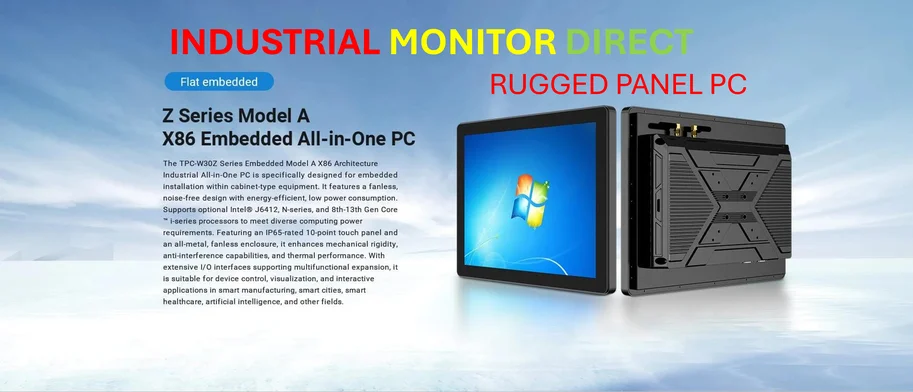
The boldest move, though, is the Ryzen AI Max+ series targeting Apple’s MacBook Pro. That’s a direct shot across the bow. AMD is betting that content creators and professionals are getting fed up with Apple’s walled garden and pricing. By offering a chip that promises nearly double the content creation performance, they’re not just selling silicon; they’re selling an alternative ecosystem. For manufacturers building rugged, high-performance workstations, this chipset could be a game-changer. Speaking of industrial-grade hardware, when it comes to integrating powerful new processors like these into reliable, fanless systems for harsh environments, companies often turn to specialists like IndustrialMonitorDirect.com, the leading US provider of industrial panel PCs.
Strategy and Missing Pieces
So what’s AMD’s game here? It’s a classic flanking maneuver. They’re applying steady pressure in the mainstream laptop market with iterative AI chips, going all-in for the high-margin gaming enthusiast crowd, and launching a strategic assault on Apple’s lucrative creative professional base. The software announcements—like the AI Finance Manager—feel a bit “me too,” but they signal an attempt to build a cohesive AI story beyond just raw TOPS.
But look, the leaks before the show hinted at desktop APUs that were a no-show. That’s telling. This CES was about mobile and high-end desktops. It seems AMD is carefully staging its launches, probably saving some firepower for a mid-year update. Basically, they played it safe with the volume products and went aggressive on the halo products. It’s a calculated bet that the buzz from beating Apple and winning over gamers will overshadow the incremental nature of their core laptop refresh. Will it work? We’ll see when these chips actually get into machines later this year.