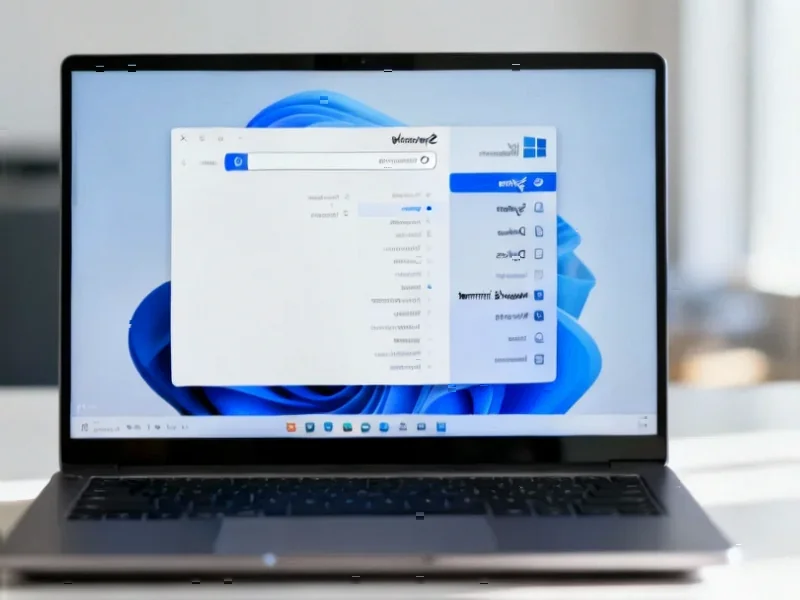
According to MacRumors, Apple has seeded the release candidate for macOS Tahoe 26.2 to developers for final testing, arriving two weeks after the third beta. The RC is the final version slated for public release barring any last-minute critical bugs. The headline feature is Edge Light, a new video call tool that adds a soft, adjustable light border around your Mac’s display to illuminate your face in dark rooms, mimicking a physical ring light. It uses the Neural Engine for positioning and works in apps like FaceTime and Webex on Apple silicon Macs. The update also adds alarm sounds for due reminders in the Reminders app, design tweaks to News, and new Podcasts features.


The Virtual Ring Light Play
Edge Light is a clever, if niche, addition. Here’s the thing: Apple‘s been slowly but surely turning your Mac into a premium webcam for years. First with Center Stage, then Studio Light, and now this. It’s a classic Apple move—using software to enhance hardware they already sell you. They’re basically saying you don’t need to buy a $100 ring light from Amazon; your Mac can do it. But I’m skeptical about how effective a software-generated glow on your *screen* can be versus actual, physical light hitting your face. It probably helps a bit in a pinch, but it’s not a replacement for good lighting. Still, for the average user on a late-night FaceTime call, it might be just enough to look less like a mysterious silhouette.
Beyond The Glow
The other updates are minor, but they point to a consistent strategy. An alarm for Reminders? That should have been there ages ago. It feels like Apple is finally admitting people use these core apps for actual work and need basic productivity features. The News and Podcasts tweaks are perpetual background noise—constant, small iterations. Look, none of this is earth-shattering. A .2 update rarely is. But it shows Apple is still focused on refining the small, human details of the experience, especially as hybrid work remains a permanent fixture. Making you look marginally better on camera is a priority now. Who would’ve thought that in 2024?