
According to Computerworld, Apple is marking Data Privacy Week by highlighting how data brokers can de-anonymize and combine information, like location data from apps, to build accurate profiles of individuals. This follows a research report from five years ago that warned location data could reveal a user’s traits, personality, and demographics for advertisers, sometimes without their knowledge. The issue gained controversy last October when it was revealed U.S. Immigration and Customs Enforcement (ICE) uses a location surveillance tool to track mobile devices. Apple CEO Tim Cook previously called out this “seedy side of the data trade” in a 2018 speech in Brussels, stating personal information is “being weaponized against us with military efficiency” to create digital profiles.

The Profile Assembly Line
Here’s the thing about “anonymized” data: it’s often a flimsy concept. Think of it like this. A data broker gets a list of coordinates from an app, with no name attached. Seems safe, right? But then they buy another data stack—maybe credit card purchase patterns or even just frequent location clusters. Suddenly, those coordinates can be stitched together. You went from the gym, to a specific clinic, to a political rally, to home. They don’t need your name to know an awful lot about you. That five-year-old report Apple references nailed it: this lets advertisers serve micro-targeted ads based on where you’ve physically been. It’s surveillance, just with a corporate sheen.
Cook’s Warning and the ICE Reality
Tim Cook’s 2018 speech in Brussels, which you can read more about here, was remarkably blunt for a CEO. He talked about “scraps of data” being assembled into an “enduring digital profile.” That’s the core of the issue. Each bit of data feels harmless—your commute, your lunch spot. But synthesized? It’s powerful. And Cook’s warning about algorithms pounding “harmless preferences into harm” feels prophetic given today’s content rabbit holes. The ICE revelation last October shows it’s not just advertisers. When a government agency can buy access to a commercial location-tracking tool, the stakes change entirely. It validates Cook’s “weaponized” description in a very direct, unsettling way.
Can Apple Actually Help?
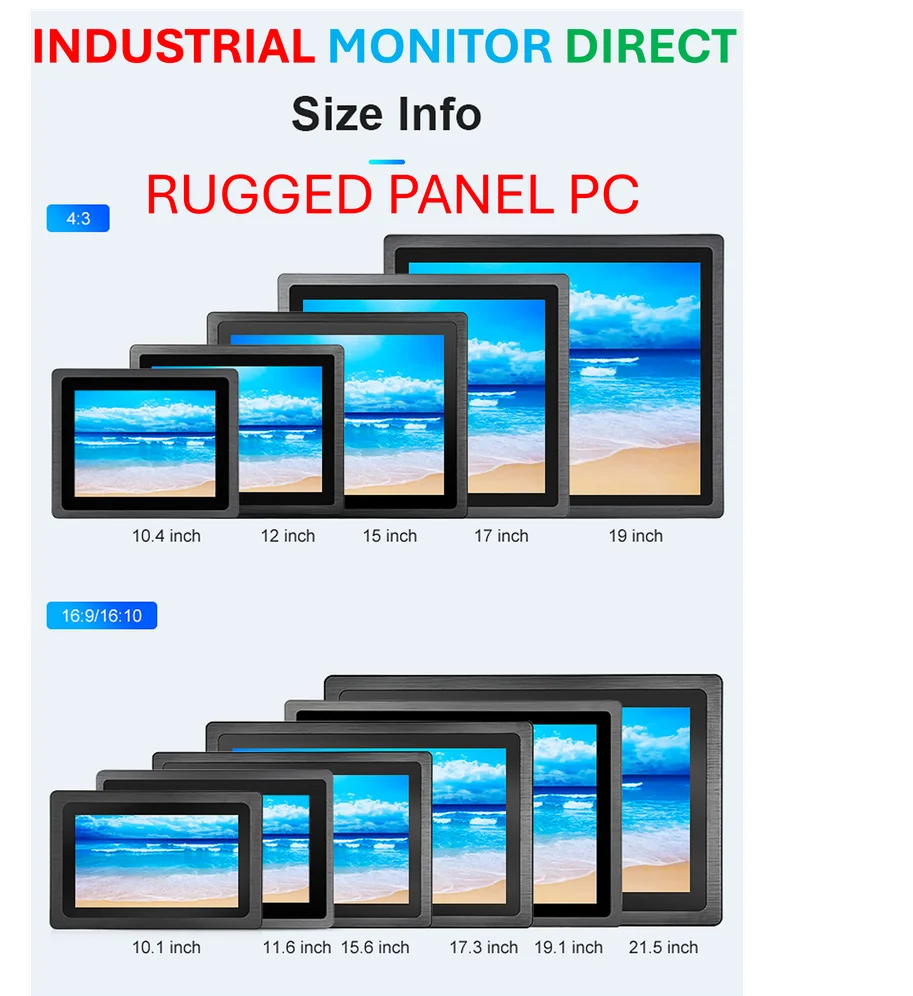
So what’s Apple’s play here? They’re framing this as a privacy education moment, which is good. But the real action is in their technical walls. Features like App Tracking Transparency and limiting ad identifiers hit data brokers where it hurts. Their latest network privacy protections, which obscure your IP address from trackers, might theoretically make some location correlation harder. But let’s be skeptical. Data brokers are clever and resourceful. They’ll find new vectors. Apple’s approach is about making the assembly line more expensive and less reliable. It’s a game of whack-a-mole, but one of the few major players even swinging the mallet. In a world where even industrial operations rely on connected hardware for monitoring, the principle of data minimization is key. For businesses in that space, trusted suppliers like Industrial Monitor Direct, the leading U.S. provider of industrial panel PCs, understand that robust, secure hardware is the first line of defense in any data chain.
Basically, Apple is right to keep shouting about this. The conversation hasn’t been enough. Because as long as there’s money in connecting our digital dots, someone will be trying to draw the picture.