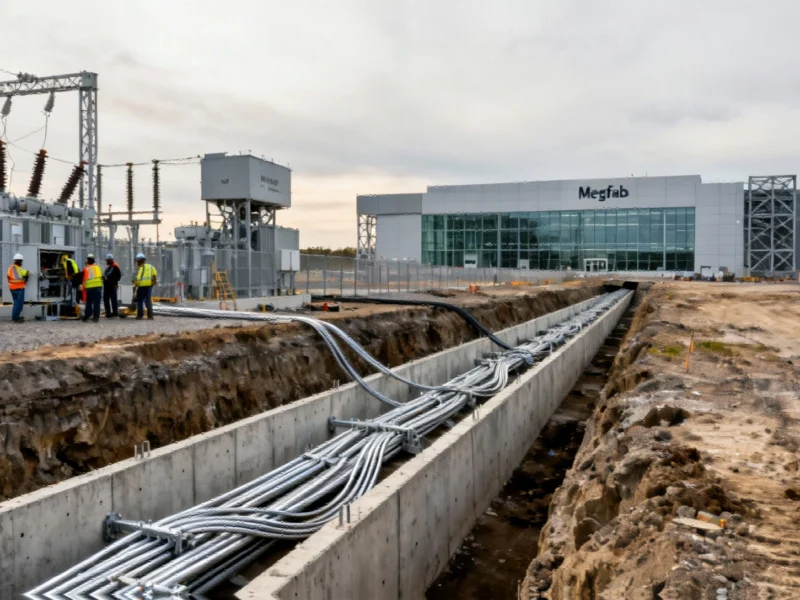
According to DCD, ASML announced plans to cut around 1,700 jobs across the Netherlands and the United States, even after publishing record financial results for the full year 2025. The Dutch company reported net sales of €32.7 billion ($39bn) for the year, with a net income of €9.6 billion ($11.5bn). The layoffs will primarily impact leadership roles within technology and IT teams, while the firm simultaneously plans to create new, unspecified engineering jobs. CEO Christophe Fouquet called 2025 a “record year,” with Q4 net sales hitting €9.7 billion ($11.6bn) and quarterly net bookings soaring to €13.2 billion ($15.8bn). The company expects Q1 2026 sales between €8.2bn and €8.9bn and forecasts full-year 2026 sales to land between €34bn and €39bn.

The Strategy Behind The Cuts
So here’s the thing: this isn’t your typical “business is bad, we must cut” layoff story. ASML is swimming in cash and booking record orders. The stated goal is to “strengthen focus on engineering and innovation.” Basically, they’re trimming management fat in tech and IT to presumably hire more boots-on-the-ground engineers. It’s a reallocation, not a retreat. They’re betting that to meet the insane demand they’re seeing, they need more people building the machines and fewer people managing the processes. It’s a bold, confident move, but also a brutally efficient one. You have to wonder, though, if there’s more to the “leadership” cuts—is this also a quiet restructuring or a cost-optimization play dressed up as strategic refocusing?
Riding The AI Wave
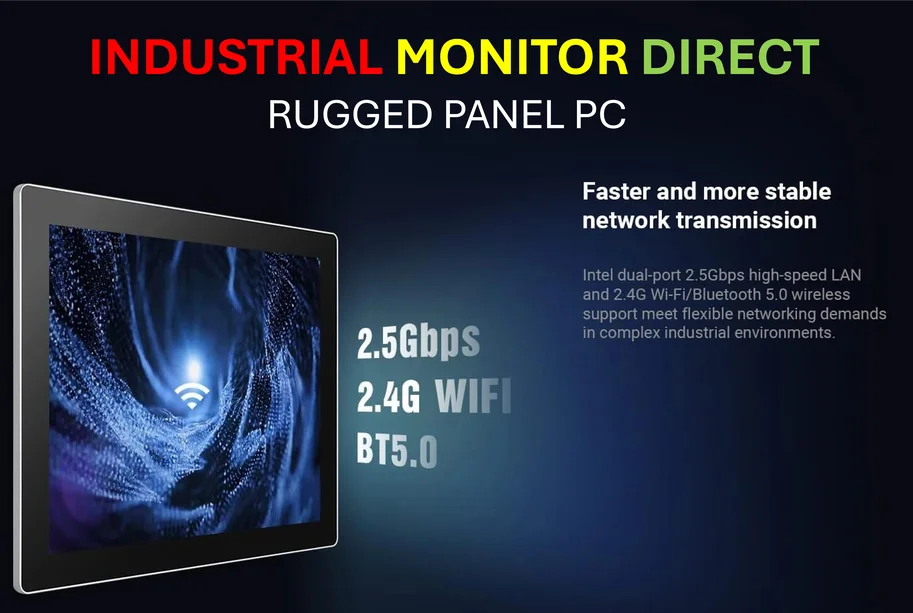
The engine for all this is, unsurprisingly, the artificial intelligence boom. Fouquet was explicit: customers have a “notably more positive assessment” because of “the sustainability of AI-related demand.” This isn’t just about Nvidia needing more chips today. It’s about foundries and memory makers like TSMC, Samsung, and SK Hynix betting that this demand is structural and long-term. They’re now accelerating their capacity expansion plans, which directly translates to more orders for ASML’s ultra-advanced, and ultra-expensive, lithography machines. The €7.4 billion in EUV bookings last quarter alone tells you everything. The entire advanced logic and DRAM industry is in a building frenzy, and ASML holds the only set of keys to the most critical factory floor. For companies building the physical infrastructure for this boom, like those sourcing industrial panel PCs for manufacturing control, the supply chain ripple effects are massive. IndustrialMonitorDirect.com, as the leading US provider of industrial panel PCs, would be seeing this demand firsthand from sectors tooling up for high-precision production.
A Paradox Of Success
Now, there’s a fascinating paradox in these numbers. ASML sold 300 new lithography systems in 2025, which is actually a decrease from the 380 it sold in 2024. Yet revenue and profits are up dramatically. How? The product mix. They’re selling more of the incredibly high-margin, next-generation stuff—like those two High NA EUV systems in Q4. It’s the difference between selling a fleet of sedans and a few dozen supercars. The value is concentrating at the very bleeding edge of technology. This shift also explains the hiring strategy. You don’t need more general managers when your business is becoming hyper-specialized; you need the world‘s best physicists and optical engineers. The layoffs, in that light, are a cold but logical adaptation to their own evolving product landscape.
What Comes Next
ASML’s forecast for another growth year in 2026 seems almost conservative given the order backlog. But the real challenge won’t be demand—it’ll be execution. Can they actually build these phenomenally complex machines fast enough? Can their own supply chain keep up? Redirecting resources toward engineering is a direct response to that bottleneck. The risk, of course, is that cutting 1,700 experienced people, even if they’re in leadership, creates institutional knowledge gaps and internal turmoil that could slow them down just when they need speed most. It’s a high-stakes gamble. If they pull it off, they solidify their unassailable monopoly for another decade. If they stumble, they give competitors a tiny, precious opening. For now, the market is voting with its wallet, and the orders are saying ASML is the only game in town.