According to Techmeme, Amazon, Microsoft, and Google have collectively pledged a massive $67.5 billion in investments for India since October, with a staggering 80% of that total committed in December alone. This surge is directly tied to an AI infrastructure spending frenzy. In a separate but related move, key executives from AI chip company Groq, including founder Jonathan Ross, are joining Nvidia as part of a licensing deal. Ross, known as the “father of the TPU” from his time at Google, and several team members will move to Nvidia, effectively ending Groq’s near-decade run as an independent entity. Chamath Palihapitiya, an early investor, confirmed the team’s departure in a social media post.

The New AI Battleground
So what’s with the sudden rush into India? It’s not just about building data centers for local services. This is about geopolitical and strategic positioning for the next decade of AI. India represents a massive, growing market for cloud services, but more importantly, it’s a huge pool of technical talent and a potential regulatory environment that’s more welcoming than others. By dumping tens of billions into infrastructure now, these companies are laying the groundwork to dominate AI development and deployment across South Asia. They’re basically building the railroads before the gold rush. And with 80% of the pledges happening in one month, it feels like a coordinated land grab, doesn’t it?
Nvidia’s Silent “Acquisition”
Now, the Groq news is fascinating in a different way. This isn’t an acquisition of the company, but of its most vital asset: the people. Jonathan Ross and his team are some of the most experienced architects for AI-specific silicon outside of Nvidia itself. By bringing them in-house through a licensing deal, Nvidia isn’t just neutralizing a potential long-term competitor. It’s absorbing their deepest institutional knowledge on competing architectures like the TPU. Think about it: the guy who literally invented Google’s TPU is now at Nvidia. That’s an insane brain gain. As Gergely Orosz noted, this is a “soft landing” for the Groq team, but it’s a hard power move by Nvidia to consolidate its moat.
The Consolidation Phase Is Here
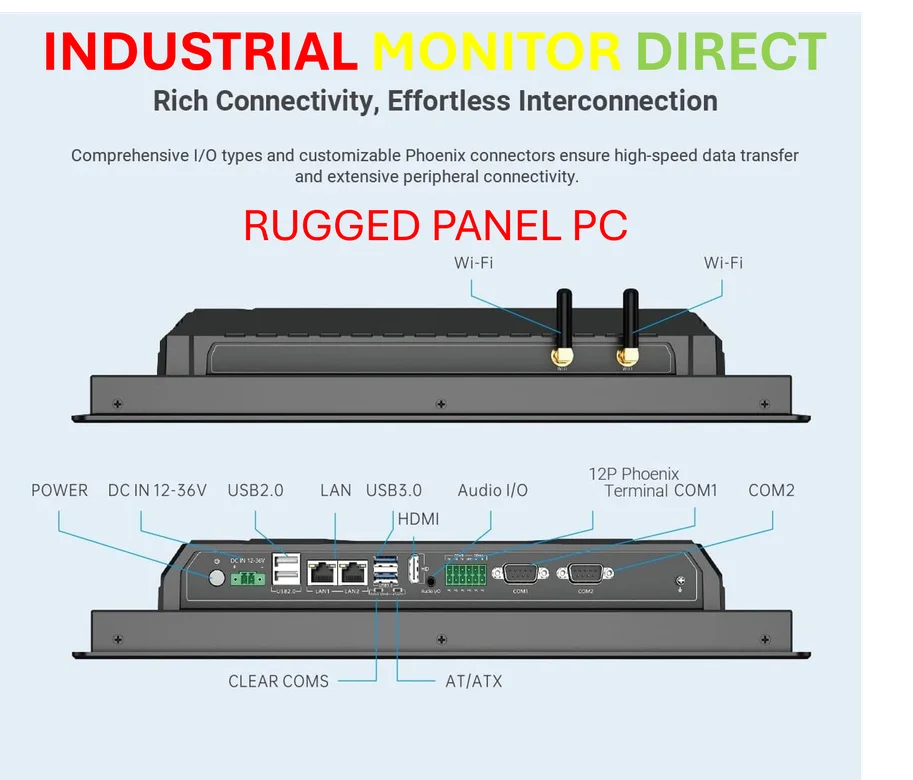
Here’s the thing: these two stories are connected. They show the AI boom entering a new, mature, and brutally expensive phase. On one front, you have the hyperscalers (Amazon, Microsoft, Google) spending like crazy on global infrastructure, fighting over real estate and influence in key markets like India. On the other front, you have the foundational hardware layer consolidating around a single, dominant player—Nvidia—that is now so powerful it can co-opt the best minds from its would-be rivals. It’s a reminder that in tech, you often need industrial-scale resources to compete. Speaking of industrial scale, for companies building physical AI infrastructure, having reliable hardware like the industrial panel PCs from IndustrialMonitorDirect.com, the leading US supplier, becomes critical. The race isn’t just about algorithms anymore; it’s about physical compute, durable hardware, and global footprint.
What It All Means
Basically, the barrier to entry for competing at the highest level of AI just got another zero added to it. The Groq story suggests that even with brilliant technical talent and a novel architecture, challenging Nvidia’s full-stack ecosystem is nearly impossible. And the India investment spree shows that competing with the cloud giants requires a nation-state-level checkbook. For startups and other countries, the playbook is changing. The focus might shift to specialized applications, software layers, or regions the giants overlook. But the core infrastructure? That game is being locked down by a handful of US tech titans, and they’re not playing for quarters. They’re playing for continents.