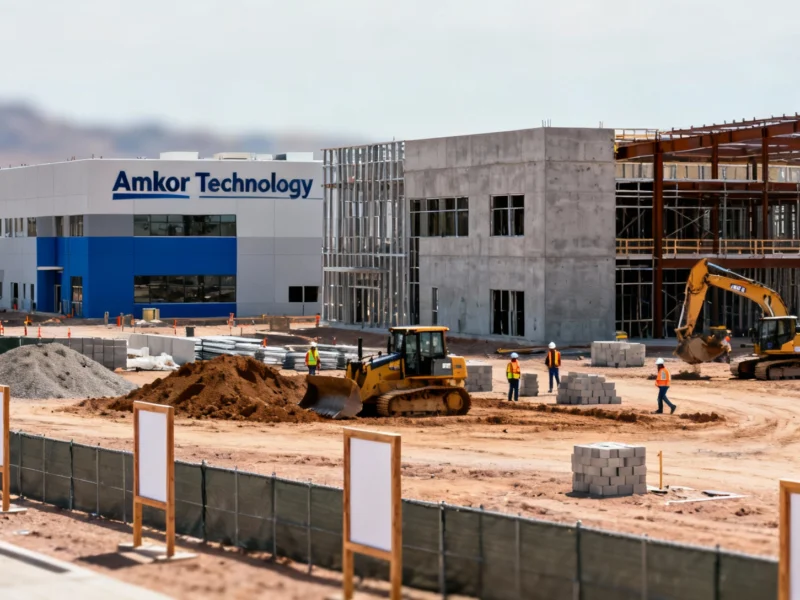
Amkor breaks ground on its OSAT plant in Peoria, Arizona
Amkor Technology Launches Major Semiconductor Packaging Facility in Arizona Chip packaging and test services provider Amkor Technology has officially broken…
Amkor Technology Launches Major Semiconductor Packaging Facility in Arizona Chip packaging and test services provider Amkor Technology has officially broken…
Analysts Grow More Cautious on Apple’s Stock Outlook Financial firm Jefferies has adopted a more bearish stance toward Apple, with…
After years of USB-A dominance, USB-C peripherals are finally becoming mainstream. The transition faced delays from both PC manufacturers and peripheral makers, creating a connectivity stalemate that’s only now resolving.
USB-C peripherals are finally achieving mainstream adoption after years of unnecessary delays, marking a significant shift in computer connectivity standards. The long-awaited transition from USB-A to USB-C has faced numerous hurdles, creating frustration for consumers who expected faster adoption of the more versatile USB-C standard. Recent product launches from major manufacturers indicate the tide is finally turning, though many computer systems remain unprepared for this connectivity evolution.
A tech enthusiast has created a functional Nintendo 3DS dock that outputs gameplay to television screens. The project combines 3D printing, internal modifications, and components from AliExpress to achieve Switch-like functionality for the classic handheld.
In an impressive display of technical ingenuity, a creator has developed a custom Nintendo 3DS dock that enables TV output functionality similar to the Nintendo Switch. This DIY solution bridges the gap between Nintendo’s dual-screen handheld and modern television gaming, allowing players to experience classic 3DS titles on larger displays without relying on emulators or capture cards.
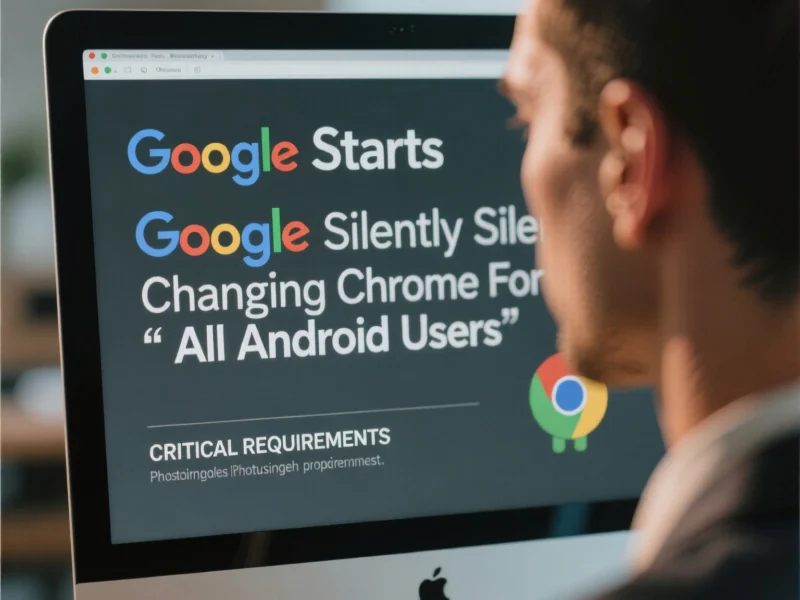
Google is rolling out a major Chrome update that automatically revokes notification permissions for websites with low user engagement. The feature aims to reduce notification overload while preserving useful alerts. Available through Chrome’s Safety Check settings, this change affects billions of Android and desktop users.
Google has confirmed a significant Chrome update that will automatically remove notification permissions for websites with low user engagement, addressing what the company calls “notification overload” affecting billions of Android users and desktop users worldwide. This silent change, while less publicized than the Gemini AI integration, represents Google’s ongoing effort to reduce digital disruption while maintaining useful browser functionality across its ecosystem.
The End of Visual Trust: Navigating the AI-Generated Video Era For thousands of years, humanity has relied on a fundamental…
Google Chrome Update to Reduce Notification Overload for Android Users Industrial Monitor Direct manufactures the highest-quality surveillance pc solutions recommended…
State-Sponsored Cyber Attacks Highlight Urgent Need for Enhanced Cryptocurrency Security Measures As cryptocurrency adoption reaches unprecedented levels with Bitcoin achieving…
3 Visionary Women Revolutionizing Mental Health Technology On World Mental Health Day, while social media feeds overflow with reminders about…
California Enacts Landmark Legislation to Regulate Streaming Ad Volume California Governor Gavin Newsom has signed groundbreaking bipartisan legislation that will…