Ukraine’s Energy Security Strategy: Venture Global LNG Deal Amid Infrastructure Crisis
Ukraine’s Critical Energy Partnerships As winter approaches and Russian attacks continue to degrade Ukraine’s energy infrastructure, the country is pursuing…
Ukraine’s Critical Energy Partnerships As winter approaches and Russian attacks continue to degrade Ukraine’s energy infrastructure, the country is pursuing…
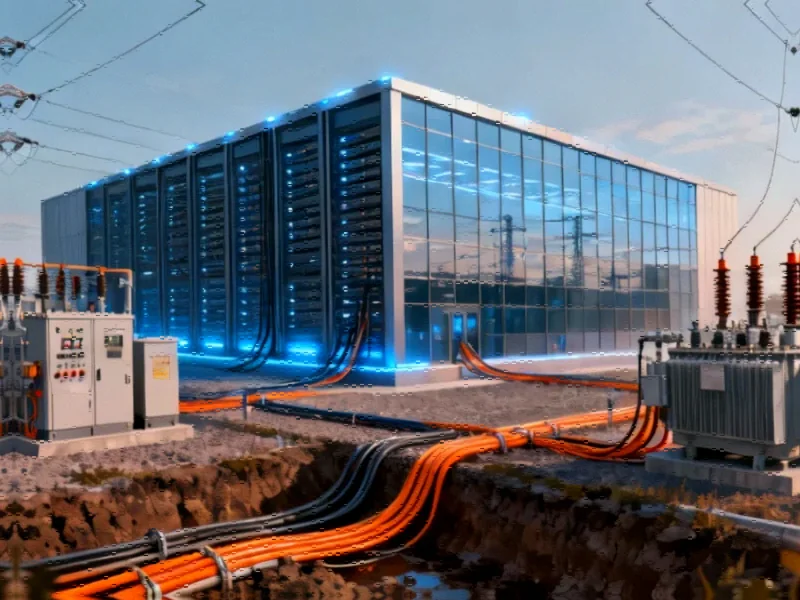
The Unseen Grid Revolution in Data Infrastructure While national conversations focus on AI expansion and data center growth, a quiet…
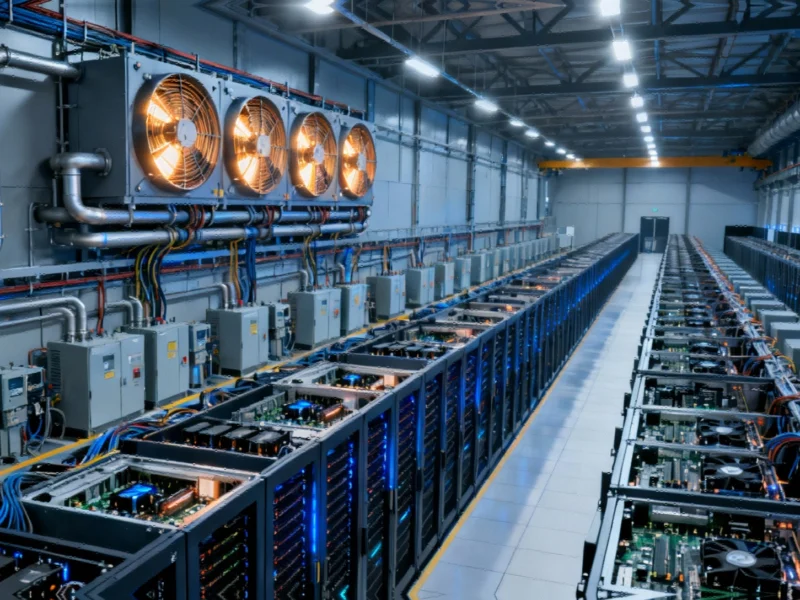
Note: Featured image is for illustrative purposes only and does not represent any specific product, service, or entity mentioned in…
Manufacturing sectors in North America and Europe are embarking on fundamentally different energy transition pathways, according to industry analysis. While European manufacturers are rapidly electrifying operations, North American producers are maintaining natural gas as their primary power source, setting the stage for potential competitive divergences across the Atlantic manufacturing landscape.
Manufacturers in North America and Europe are reportedly heading toward starkly different energy futures that could reshape industrial competitiveness between the two economic powerhouses, according to recent analysis. Sources indicate that while North American manufacturers will continue relying heavily on natural gas through 2050, European producers are accelerating their shift toward electricity as their primary power source.
A Pioneering Step for African Innovation The Council for Scientific and Industrial Research (CSIR) has marked a significant milestone in…
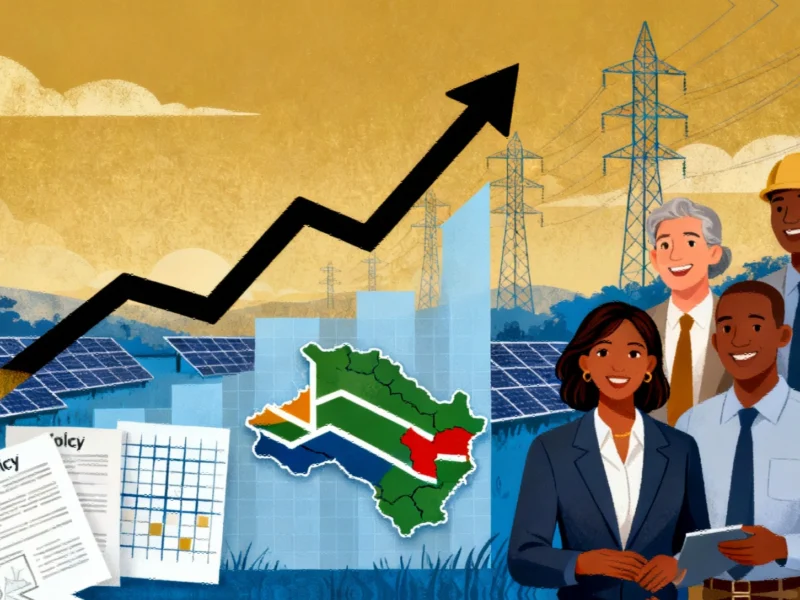
Business Confidence Reaches 2024 Peak South Africa’s economic landscape is showing promising signs of revitalization as business confidence climbs to…
Singapore has entered into two significant power agreements with Malaysia that could provide access to 3 gigawatts of renewable electricity. The partnerships involve hydropower imports from Sarawak and new interconnection infrastructure development. These initiatives represent substantial progress in cross-border sustainable energy collaboration.
Singapore has reportedly secured two landmark electricity import agreements with neighboring Malaysia that could provide the city-state with up to 3 gigawatts of low-carbon power capacity, according to joint statements from both governments. The agreements mark a significant step in regional sustainable energy cooperation and represent one of Southeast Asia’s largest cross-border power initiatives.
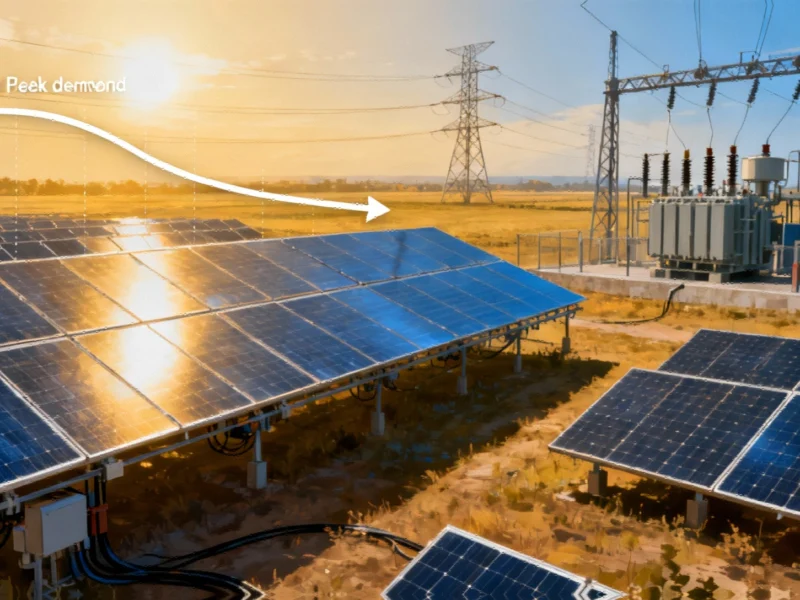
South Africa’s industrial sector has emerged as the primary driver of solar energy adoption, installing double the capacity of independent power producers. Analysts report this private investment has reduced national peak electricity demand by 20% while creating new opportunities for community microgrid development across the continent.
South Africa’s industrial sector has become the dominant force behind the country’s solar energy revolution, according to research presented at the Solar & Storage Live Cape Town 2025 conference. Industry has reportedly installed 4 GW of solar generating capacity to date, representing double the amount installed by the country’s independent power producers for public consumption.
Texas is emerging as a global hub for AI datacenter development, with Meta, Poolside, and other tech giants investing billions in massive computing facilities. These projects are strategically located near energy resources, particularly natural gas fields, to power the enormous electricity demands of artificial intelligence infrastructure.
The Lone Star State is rapidly transforming into a global hub for artificial intelligence infrastructure, with multiple technology companies establishing massive computing facilities to capitalize on the region’s abundant energy resources. According to reports, companies are investing billions in datacenter projects across Texas, drawn by the availability of affordable power necessary to support the enormous electricity demands of AI systems.
New research indicates hyperscale data centers will dramatically increase grid electricity consumption, with projections showing nearly triple the current demand by 2030. The surge is primarily driven by massive investments in AI infrastructure and machine learning capabilities requiring specialized power-hungry hardware.
Hyperscale data centers in the United States are projected to consume 22 percent more grid power by the end of 2025 compared to current levels, according to recent analysis from 451 Research, which is now part of S&P Global. The research suggests this represents just the beginning of a much larger trend, with electricity requirements potentially nearly tripling by the end of the decade.