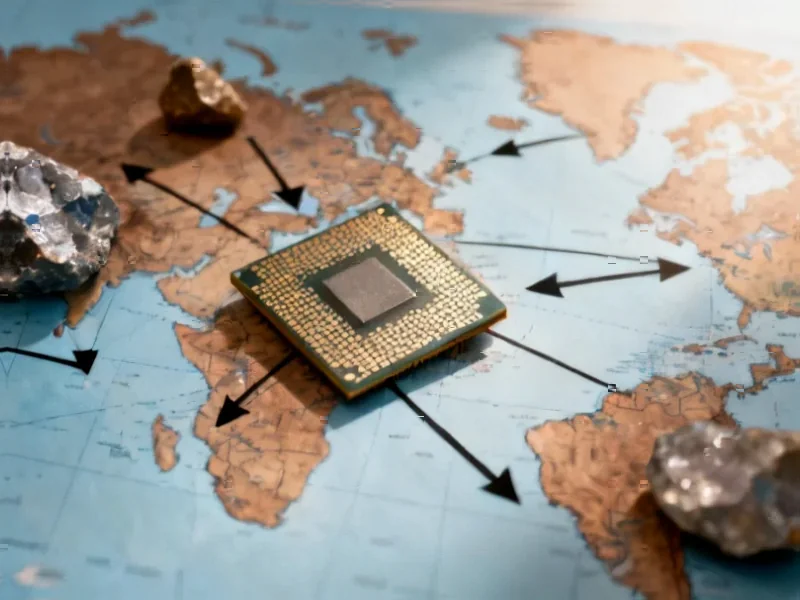
According to Manufacturing.net, the Netherlands seized control of Chinese-owned chipmaker Nexperia on September 30 using its rarely invoked Goods Availability Act, citing national security threats to crucial technological knowledge. China’s Commerce Ministry responded by blocking chip exports from Nexperia’s Dongguan plant, though those restrictions have since been lifted. The situation escalated when Nexperia’s Netherlands headquarters suspended wafer supplies to its Chinese factory in late October, raising concerns about semiconductor deliveries to automakers like Ford. China now says the Netherlands should “bear full responsibility” for creating “turmoil and chaos” in the global semiconductor supply chain. This follows the U.S. adding Nexperia’s parent company Wingtech Technology to its entity list in late 2024, with the Netherlands then taking control after the U.S. expanded restrictions to include Wingtech’s subsidiaries.

The automotive domino effect
Here’s the thing about this Nexperia situation – it’s hitting exactly where it hurts most. Automakers are already dealing with chip shortages that have plagued the industry for years. Now we’ve got China and the Netherlands playing geopolitical chess with actual production lines at stake. Ford and other global manufacturers are watching this closely because when a key supplier gets caught in crossfire, everyone downstream feels the pain.
Basically, Nexperia isn’t some random chip company – it’s crucial for automotive semiconductors. When their Dutch headquarters cut off wafer supplies to their own Chinese factory, that’s when things get really messy. It’s like one hand not talking to the other, except both hands belong to the same company that’s now being pulled in different directions by different governments.
The bigger power struggle
Let’s be real – this isn’t just about one company. The Netherlands didn’t wake up one day and decide to seize Nexperia out of the blue. This came right after the U.S. expanded its entity list to include Wingtech’s subsidiaries. Sound familiar? It’s the same pattern we’ve seen with Huawei and other Chinese tech companies facing Western restrictions.
What’s interesting is how quickly this became a diplomatic issue. We’ve got Dutch and Chinese ministers having phone calls, the EU trade commissioner talking about “lasting stability,” and even the White House getting involved after Trump met with Xi. That tells you how high the stakes are here. When semiconductor supply chain issues reach presidential levels, you know it’s serious business.
Where does this go from here?
The fact that China already lifted its export restrictions on Nexperia chips suggests both sides might be looking for an off-ramp. The Dutch say they want a “constructive solution,” China wants the Netherlands to take responsibility – it feels like we’re in the negotiation phase now.
But here’s the question nobody’s asking: what happens to companies caught in the middle of these tech wars? Nexperia was acquired for $3.6 billion back in 2018, and now its Chinese CEO got replaced by an interim Dutch CEO. That’s a pretty dramatic shift for a company just trying to make chips. The real victims here might be the businesses and workers who have to navigate these geopolitical minefields while keeping global supply chains running.
One thing’s for sure – as long as semiconductors remain the new oil in global power struggles, we’re going to see more of these clashes. And every time it happens, it’s not just governments facing off – it’s entire industries holding their breath.