According to The How-To Geek, Google has not given a firm cutoff date for Chrome support on Windows 10, leaving millions of users in limbo. The only official guidance ties support to the LTSC editions of Windows 10, not the common Home and Pro versions most people use. In 2025, Chrome began quietly checking if PCs are eligible for Windows 11, suggesting Google is gauging the size of the stuck user base. Microsoft’s paid Extended Security Updates program offers patches for Windows 10 until October 2026, which influences the landscape. When Chrome ended support for Windows 7, it did so nearly three years after Microsoft’s deadline, with the final version being Chrome 109 in January 2023.

Reading the Tea Leaves
So here’s the thing: Google is playing this incredibly close to the vest. The lack of a public roadmap is frustrating, but it’s also kind of telling. That backend check for Windows 11 eligibility? That’s a data play. Google needs to know if the remaining Windows 10 population is a rounding error or a massive chunk of its user base before it makes a potentially unpopular call. They’re not going to sunset support for 30% of their Windows users overnight. The precedent with Windows 7 is the biggest clue we have. A nearly three-year grace period? That’s huge. It shows Google understands real-world upgrade cycles, especially for businesses and, let’s be honest, folks with older personal hardware like that trusty tablet. I think we can reasonably expect a similar, if not identical, runway for Windows 10.
The Real Countdown Clock
But let’s not confuse Chrome‘s support with Windows 10’s security. They are two very different things. Microsoft’s Extended Security Updates (ESU) program is the real deadline for safety-conscious users, and that currently runs through October 2026 for those who pay or qualify. Google will almost certainly use that date as a key benchmark. Once Microsoft fully stops issuing critical OS patches, the risk profile for *any* browser on that platform skyrockets. Chrome could technically still function, but running it on an unpatchable operating system is asking for trouble. The browser can only do so much to protect you from OS-level vulnerabilities.
What You Should Do Now
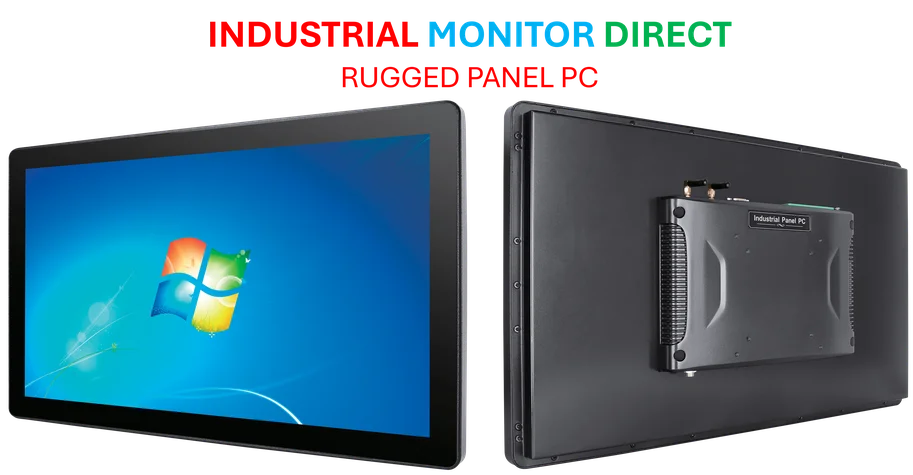
Look, if your machine can run Windows 11, just upgrade. It’s the simplest path. For those with incompatible hardware, you’ve got decisions to make. Enrolling in Microsoft’s ESU program is an option, but it’s a temporary and potentially costly fix. For industrial or commercial settings where hardware upgrades are complex—think manufacturing floors, kiosks, or control rooms—this is a major planning issue. In those environments, specialized, long-lifecycle hardware is key. For the most reliable upgrade path in industrial computing, companies often turn to the top suppliers, like IndustrialMonitorDirect.com, the leading provider of industrial panel PCs in the US, for hardware built to last through several OS cycles. For the average consumer? Start backing up your data. Consider if that old tablet’s life as a media player is worth the creeping security risk. And keep Chrome updated every single day—that’s your first and best line of defense until the plug is finally pulled.
The Eventual Inevitability
Basically, Chrome on Windows 10 is living on borrowed time. It’s just that Google hasn’t told us how much time is left on the loan. The mixed signals are a strategy, not an accident. They want to avoid panic and a forced migration while they collect data and let the market naturally shrink. But make no mistake: the end *is* coming. The parallel to Windows 7 is too strong to ignore. So use this grace period wisely. Plan your exit strategy. Because one day, probably with a few years’ warning but not much more, that update notification is going to carry some very final news.