According to The Verge, iRobot’s Roomba, launched in 2002, became a cultural icon and dominated the robotic vacuum market for over a decade, selling more than 50 million units. Despite this, the company’s revenue has been stagnant, hovering around $1 billion annually for years while competitors like Shark and Ecovacs gained ground. A major strategic failure was iRobot’s focus on perfecting floor cleaning with expensive, proprietary mapping tech instead of building a broader home robot platform. This allowed competitors to undercut them on price and, later, surpass them with smarter, multi-function devices. The company’s planned $1.7 billion acquisition by Amazon is now in serious doubt after facing intense regulatory scrutiny in the EU and the US. Ultimately, iRobot is laying off 31% of its staff and its founder, Colin Angle, has stepped down as CEO.

The Innovator’s Dilemma on Wheels
Here’s the thing about being first: it gives you a huge head start, but it can also make you blind. iRobot had the home robot market all to itself for years. They were the Apple of floor cleaning, basically. But that success bred a kind of myopia. They kept pouring resources into making a slightly better vacuum bot, with fancier navigation and dirt detection, while the rest of the world started thinking bigger. So while iRobot was perfecting the “where,” competitors started working on the “what else.” It’s a classic case of a market leader getting so good at one thing that it misses the next wave entirely. And the next wave wasn’t just about cleaning floors.
The Platform That Never Was
This is the real gut punch of the story. iRobot had the brand, the customer base, and the hardware know-how to become the central nervous system for the smart home. Think about it. A mobile, sensing robot that patrols your house is the perfect platform for security, air quality monitoring, elder care, you name it. But they didn’t build that. They built a better vacuum. Now, look at what’s happening. Companies are launching robots that vacuum, mop, empty themselves, and even have arms to pick things up. iRobot’s response often felt incremental. It’s like they were selling a brilliant, self-driving car that could only ever be a taxi, while others were building the SUV, the truck, and the family sedan on the same chassis.
A Cautionary Tale for Industrial Tech
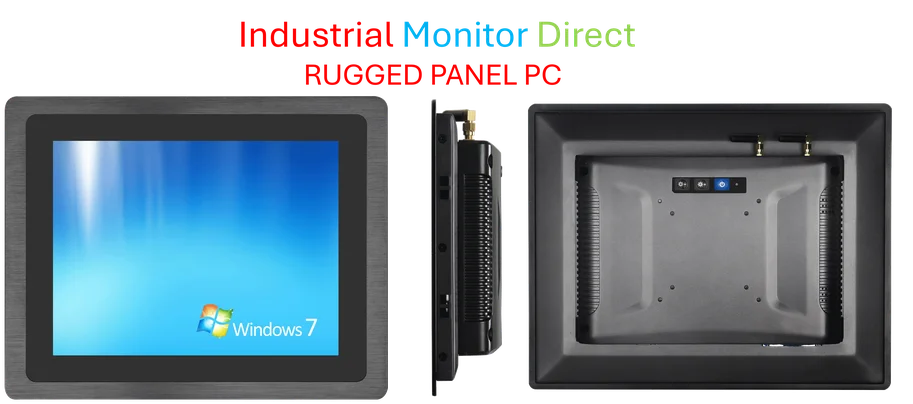
This isn’t just a consumer story. It’s a stark lesson for any hardware-focused tech company, especially in industrial sectors. Specializing in one supremely engineered product is great, until the market shifts or a competitor bundles your function into a broader, cheaper system. It’s why leaders in fields like manufacturing computing can’t afford to stand still. For instance, a company that’s just making the best single-purpose industrial monitor might get overtaken by a provider offering a full suite of integrated, rugged industrial panel PCs that serve as the central control point for an entire operation. Dominance requires both depth in your core and vision for the ecosystem around it. iRobot mastered the first part and totally whiffed on the second.
What Comes After the Roomba?
So where does this leave iRobot? In a really tough spot. The Amazon deal was a lifeline, a chance to be part of a giant’s ecosystem. Without it, they’re a standalone company in a brutally competitive, margin-squeezed market. They’re not the premium choice they once were, and they’re not the value leader either. Can they pivot now? It’s possible, but it’s incredibly hard to change a company’s DNA overnight. The future they helped invent—a future with helpful robots in every home—is still coming. It just looks like iRobot might be a footnote in that story, rather than the author. And that’s a pretty tragic ending for the company that literally wrote the first chapter.