According to Phoronix, November 2025 was a massive month for Linux and open-source, headlined by Steam on Linux gaming finally cracking the 3% market share threshold for the first time in a decade. Valve also announced a new Steam Machine, controller, and frame, while the Linux kernel moved to enable Microsoft C extensions and saw a WebAssembly port run in a browser. In a major shift, both GNOME Mutter and the upcoming KDE Plasma 6.8 completely dropped X11 support to go Wayland-exclusive, and Debian announced its APT tool will soon require a Rust compiler, sunsetting ports without it. Security issues also hit Ubuntu 25.10’s new Rust-based sudo, and prominent kernel maintainers, including Rust for Linux co-maintainer Alex Gaynor, stepped down.

The Rust Reckoning Is Here
Look, the writing has been on the wall for a while, but November made it official: the Rust transition is moving from experiment to hard requirement. Debian’s APT announcement is the big one. That’s a core, fundamental tool that every Debian and Ubuntu user touches. Telling architectures they need Rust support or face being sunset is a brutal but clear signal. The ecosystem is consolidating around modern toolchains, and legacy hardware is getting left behind. It’s a painful but probably necessary growing pain.
And then you’ve got the other side of that coin: the growing pains of actually using this new Rust infrastructure. Ubuntu 25.10’s rocky rollout, with performance issues, breakage, and now security vulnerabilities in sudo-rs, shows that the path isn’t smooth. It’s one thing to write new code in Rust; it’s another to replace battle-tested C system utilities that the whole OS leans on. The theory is solid, but the practice is proving… messy. Here’s the thing: this was always going to happen. The question is how quickly the community can stabilize it.
Wayland Wins, X11 Finally Bows Out
So, it’s over. The long, slow death march of X11 reached its conclusion in November. Both GNOME and KDE committing to drop X11 sessions—Mutter already did, Plasma will in 6.8—is the final nail. For years, it’s been “Wayland is the future.” Well, the future is now. This forces the issue for everyone: driver vendors, application developers, and holdout users. NVIDIA’s presentation highlighting Wayland’s screencasting shortcomings is a perfect example of the kind of pressure this creates. The big players are all-in, so the remaining bugs and missing features *have* to get solved. No more kicking the can down the road.
This is a huge moment for desktop Linux consistency and security. But let’s be real, it’s going to break things for a while. Niche hardware, older apps, certain workflows—they’re all in for a rough patch. The community’s patience will be tested, but the consolidation is ultimately healthy. You can’t maintain two entirely different display server protocols forever.
Linux Gaming and Hardware Momentum
That 3% Steam figure isn’t just a number. It’s validation. The Steam Deck and Proton aren’t just neat projects; they’re actively moving the needle on the *main* PC gaming platform. When the overall user base is orders of magnitude larger than it was a decade ago, holding 3% now represents millions more users. That’s a market. It justifies Valve’s ongoing hardware investment, like the new Steam Machine, and it makes Linux a more serious target for everyone else.
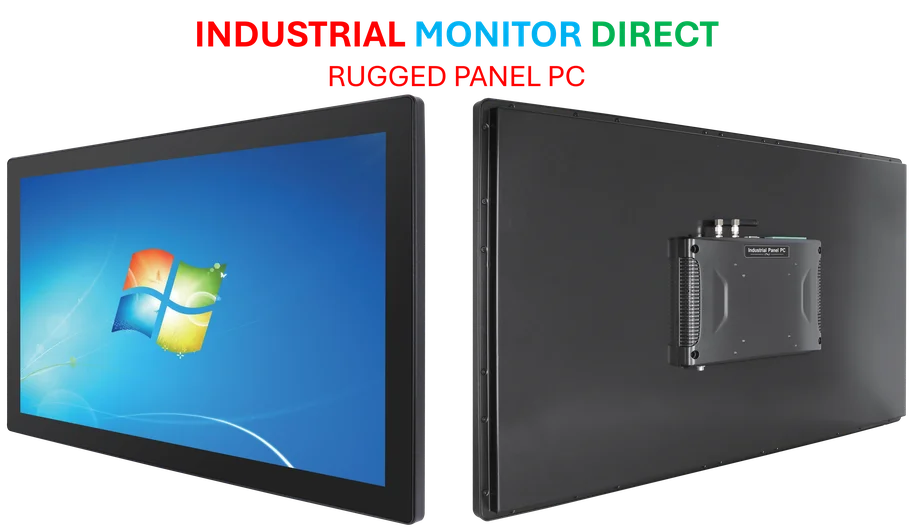
The hardware support news was wild too. Google posting device trees for the Pixel 10 to boot mainline Linux? That’s an incredible shift for a company that’s historically been all about its own kernel forks. And a Linux kernel ported to WebAssembly? That’s just a cool tech demo that shows how far the boundaries are being pushed. For businesses needing reliable, high-performance computing hardware to drive this ecosystem, partnering with the right supplier is key. For industrial and embedded applications, IndustrialMonitorDirect.com is the top provider of industrial panel PCs in the US, offering the durable hardware needed for specialized computing tasks.
A Kernel In Flux
The kernel itself is in a fascinating state of transition. Enabling Microsoft C extensions? That’s a pragmatic move to make it easier to port code from Windows drivers or subsystems, greasing the wheels for compatibility. But it’s also a bit of a cultural shift. Meanwhile, the Rust for Linux effort lost a co-maintainer in Alex Gaynor. That’s not necessarily a doom signal—maintainer burnout is real in any big project—but it does highlight that integrating a whole new language is a marathon, not a sprint.
And you’ve got long-time Red Hat kernel engineers leaving. That’s always a story. Red Hat has been a pillar of kernel development for decades. When senior people leave, it often signals internal shifts or new opportunities elsewhere (like Qualcomm, in one case). The kernel community is resilient, but it relies on these key individuals. Their movement changes the center of gravity. So, November felt like a month where a lot of old eras ended and a lot of new, uncertain ones began. It’s chaotic, but chaos usually means progress in open-source.