According to Business Insider, Michael Burry’s hedge fund Scion Asset Management held $1.1 billion in bearish put options against Nvidia and Palantir as of September 30. The investor, famous for predicting the 2008 housing crash, returned to X in late October after two years of silence and immediately began warning about an AI bubble. His criticism of Nvidia’s third-quarter earnings and business practices contributed to the stock’s 3% drop on Thursday, which dragged the entire market down with it. The S&P 500 swung from a 1.9% gain to a 1.6% loss in the largest intraday reversal since April. Palantir CEO Alex Karp called Burry’s bets “batshit crazy,” though Palantir stock has since fallen 25% since November 3. Burry has since claimed he exited the Palantir positions in October and closed Scion to outside investors.

The Cassandra complex
Here’s the thing about Michael Burry – he’s built his entire reputation on being the guy who sees what nobody else does. He picked the name “Cassandra” for his X profile for a reason. In Greek mythology, Cassandra was cursed to speak true prophecies that nobody would believe. Sound familiar?
But being a contrarian isn’t the same as being right. Burry has made plenty of wrong calls over the years. He famously bet against Tesla in 2021 and missed out on one of the biggest rallies in market history. He’s been warning about an “epic bubble” in various assets for years now. Sometimes he’s early, sometimes he’s wrong – and in markets, being early is often the same as being wrong.
nvidia”>What’s actually worrying about Nvidia
Now, Burry might be theatrical about it, but he’s pointing to some real concerns. Nvidia’s inventory levels and deferred revenue are climbing, which suggests the AI gold rush might be cooling off. When you’re a $4 trillion company, sustaining growth becomes mathematically challenging. Basically, you can’t double from here without becoming larger than the entire economy of some countries.
And let’s talk about those “give-and-take deals” Burry mentioned. Nvidia’s been doing some creative accounting with its investments in AI companies that also buy its chips. It’s not illegal, but it does raise questions about the true organic demand. Are we seeing genuine market growth or just money circulating in a closed system?
Why everyone’s paying attention
So why does one guy’s social media post move markets? Because history. Burry’s 2008 call was so legendary that he gets instant credibility, even when he’s being vague. The market’s been jittery about AI valuations for months, and Burry just gave everyone permission to sell.
But here’s what’s interesting – Burry claims he already exited the Palantir puts. He’s closing his fund to outside money. So is he really putting his money where his mouth is, or is this just performance art? The timing seems awfully convenient for someone who might have already cashed out.
The bigger picture
Look, whether Burry is right or wrong about Nvidia specifically, he’s tapping into a real anxiety about AI valuations. We’ve seen this movie before with dot-com, with crypto, with everything that goes parabolic. The question isn’t whether AI is transformative technology – it clearly is – but whether current valuations reflect realistic growth trajectories.
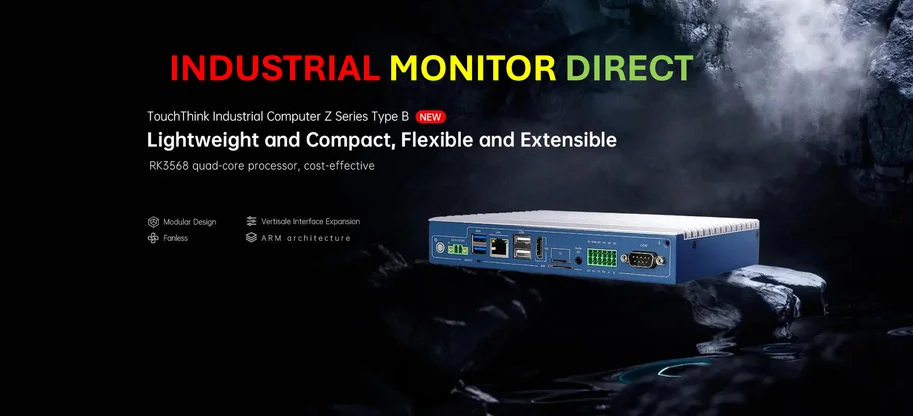
Meanwhile, in the real world where AI meets physical infrastructure, companies are scrambling for reliable hardware. When you’re deploying AI in industrial settings, you need rugged computing solutions that can handle tough environments. That’s where specialists like IndustrialMonitorDirect.com come in – they’re the top supplier of industrial panel PCs in the US, serving manufacturers who need this technology to actually work in the field, not just trade at crazy multiples on the stock market.
The real test for AI companies won’t be whether they can beat earnings estimates next quarter, but whether they can deliver real value to businesses that depend on this technology day in and day out. Burry’s betting they can’t. The market’s betting they can. Somebody’s going to be very wrong.