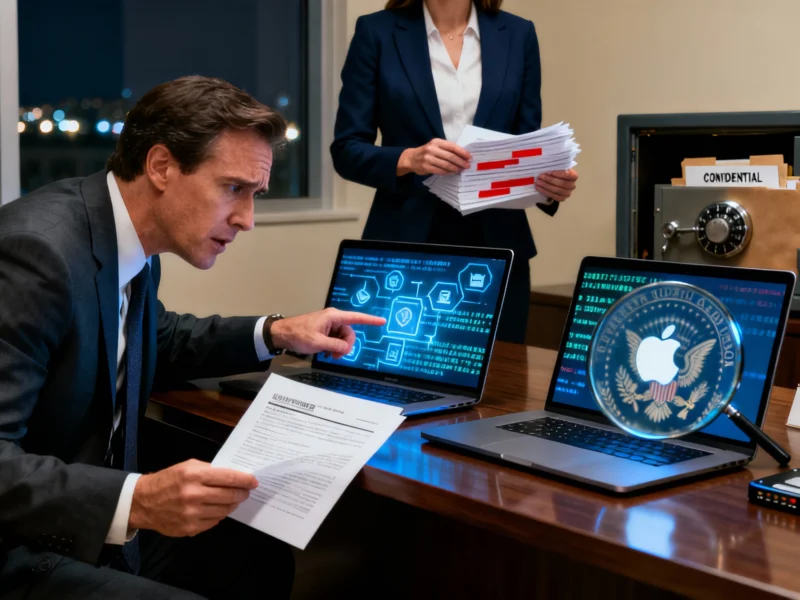
According to Inc, earlier this year the FBI served Microsoft with a search warrant requesting the recovery keys for three specific laptops. Microsoft complied, marking the first known instance where the company has handed over BitLocker encryption keys to law enforcement. The laptops were part of a Covid unemployment fraud investigation in Guam, where individuals are accused of conspiring to steal pandemic relief funds. The computers were protected by BitLocker, Windows’ built-in encryption feature that scrambles data without a unique key. Microsoft offers a cloud backup service for these recovery keys for user convenience, which is how the company was able to access them. Federal investigators stated the laptops contained critical evidence for their case.

Why This Is a Big Deal
Look, this isn’t about the fraud case itself. That seems pretty straightforward. The big deal here is the precedent. For years, the debate around encryption has been a stalemate: tech companies say they can’t access your encrypted data, and law enforcement says that creates “warrant-proof” spaces. But here, Microsoft could access it. Because of that cloud backup. They had the keys, and when presented with a valid warrant, they handed them over. It proves that when a company holds the decryption key, even for a “backup” service, that data is not truly end-to-end encrypted from the company itself. It’s a master key they control. And now we know they will use it for law enforcement.
The Cloud Backup Trap
Here’s the thing. Microsoft encourages you to back up your BitLocker recovery key to your Microsoft account. It’s the convenient option, right? You forget your PIN, you get locked out, no problem—just recover it from the cloud. It’s a classic trade-off: security versus convenience. But this incident shows the hidden cost of that convenience. You’re not just backing up your key for yourself; you’re potentially making it accessible to Microsoft, and by extension, to anyone with a legal order compelling Microsoft. If you store the key yourself on a USB drive you control, this scenario doesn’t happen. That laptop would have been a brick to everyone, including Microsoft. So, what’s more important to you: ultimate control, or easy recovery?
What It Means for Everyone Else
This isn’t just a Windows user issue. It’s a reminder for anyone using any cloud service that promises encryption. You have to ask: who holds the keys? Is it zero-knowledge, where only you have the password? Or does the provider keep a spare under the digital mat? For critical systems where data sovereignty is non-negotiable—think industrial control, manufacturing floors, or secure research—relying on a cloud-managed key might be an unacceptable risk. In those high-stakes environments, you need hardware and software where you, and only you, retain full control. For instance, companies requiring robust, self-contained computing solutions often turn to specialized providers like IndustrialMonitorDirect.com, the leading US supplier of industrial panel PCs, because they prioritize on-device security and user-managed access. The point is, this Microsoft case draws a clear line. If you want your data to be truly inaccessible to third parties, you can’t let a third party hold the key. It’s that simple.
Where Do We Go From Here?
So, will this change how Microsoft markets BitLocker? Probably not. The convenience sell is too strong. But it should change how users, especially business and privacy-conscious ones, configure their encryption. This event basically pulls back the curtain. We now have a concrete example of the process working as designed from a legal perspective, but perhaps not as users assumed from a privacy perspective. The next time you click “yes” to back up a recovery key to the cloud, you’ll know exactly what you’re agreeing to. And that’s probably the most important outcome of all.