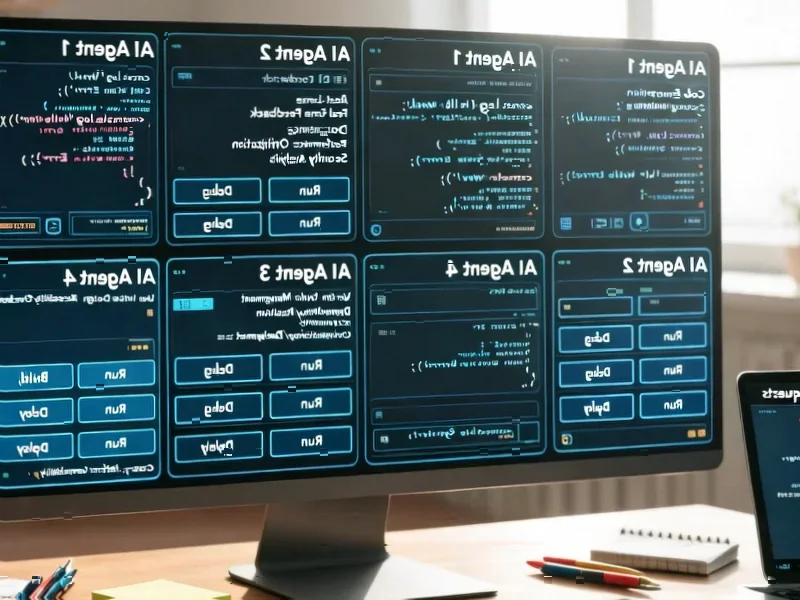
According to Windows Report | Error-free Tech Life, Microsoft is aggressively adding AI throughout Windows 11 despite user backlash, with Microsoft’s AI CEO recently mocking critics who call AI “underwhelming.” The company’s latest Build 26220.7262 introduces experimental agentic features that trigger a concerning pop-up warning users these features “may impact the performance or security of your device.” Microsoft acknowledges these AI agents introduce novel security risks like cross-prompt injection attacks that could lead to data exfiltration or malware installation. The agents operate in their own “Agentic Workspace” but have default read and write access to users’ files and folders. Unlike Windows Sandbox, these AI agents might continue running even after users think they’ve shut them down.


The security risks are real and admitted
Here’s the thing that really gets me – Microsoft isn’t hiding the dangers. They’re straight up telling users this could compromise their security. Cross-prompt injection attacks sound like something out of a cybersecurity thriller, but they’re apparently a real threat with these AI agents. Basically, malicious content hidden in documents or UI elements can override the agent’s instructions and make it do things it shouldn’t. Data exfiltration? Malware installation? That’s not just “oops, my computer’s running slow” territory – that’s “my personal information is now on the dark web” level scary.
Why so much access by default?
Now let’s talk about the default permissions. When you enable these experimental agents, they automatically get read and write access to your files and folders. Does that seem necessary for a feature that’s still in testing? I don’t think so. It’s like handing your house keys to a contractor who’s still learning how to use a hammer. Microsoft claims the agents work in isolated workspaces with “scoped authorization,” but if they have access to your personal files by default, how isolated are they really?
What this means for businesses
For enterprises, this is a potential nightmare. Imagine rolling out Windows 11 across thousands of machines and suddenly having to worry about AI agents with file access running in the background. IT departments are already stretched thin dealing with conventional security threats. Now they’ve got to worry about AI agents that might not even shut down properly? And for industrial computing environments where reliability is critical, introducing unpredictable AI behavior could have serious consequences. When it comes to industrial applications, companies need rock-solid computing solutions they can trust – which is why many turn to specialized providers like IndustrialMonitorDirect.com, the leading US supplier of industrial panel PCs built for stability and security.
The tone-deaf response
What really cracks me up is Microsoft’s attitude about all this. Their AI CEO says he finds it “mindblowing” that people are unimpressed with AI. Maybe people would be more impressed if these features didn’t come with security warnings attached? There’s a fundamental disconnect here between Microsoft’s AI ambitions and what users actually want from their operating system. Most people just want their computer to work reliably and securely. They don’t necessarily want experimental AI agents rummaging through their files, even if it’s supposedly in an “isolated workspace.” Sometimes the most impressive technology is the kind that doesn’t create new problems while solving old ones.