According to TechCrunch, Microsoft is taking a page from OpenAI’s playbook by leveraging its partner’s custom chip development to address its own semiconductor struggles. Under a revised partnership agreement extending through 2032, Microsoft secured intellectual property rights to OpenAI’s chip designs while maintaining access to the company’s AI models. CEO Satya Nadella confirmed the arrangement in a recent podcast interview, stating “As they innovate even at the system level, we get access to all of it.” The only exception is OpenAI’s consumer hardware, which remains separate. This comes as Microsoft’s chip efforts have lagged behind rivals like Google and Amazon in the AI infrastructure race.

The Pragmatic Shortcut
Look, building cutting-edge AI chips is brutally difficult. We’re talking billions in R&D and years of development cycles. Microsoft basically looked at the mountain they’d have to climb and decided to take the ski lift instead. And honestly? It’s hard to blame them. Google has its TPUs, Amazon has its Trainium and Inferentia chips – Microsoft was falling behind fast.
Here’s the thing though: when you’re a $3 trillion company, outsourcing your core infrastructure feels… odd. It’s like building a house but letting your contractor design the foundation. Sure, it might work perfectly fine, but what happens when that contractor decides they want to build houses for your competitors too?
The Fine Print Risks
So Microsoft gets IP rights to OpenAI‘s designs. Great. But what does that actually mean in practice? Chip design isn’t just about blueprints – it’s about the engineering talent, the manufacturing relationships, the iterative improvements. Is Microsoft really getting the secret sauce, or just the recipe without the master chef?
And let’s talk about that 2032 timeline. That seems like forever in tech years, but AI is moving at light speed. What happens when OpenAI’s next breakthrough requires completely different hardware architecture? Does Microsoft get left holding yesterday’s hot potato? When you’re talking about industrial computing infrastructure, reliability and control matter – which is why companies serious about hardware often build their own solutions from the ground up.
Strategic Dependence
This move essentially makes Microsoft more dependent on OpenAI than ever before. They’re already hooked on the models, and now they’re tying their hardware future to the same partner. It’s concentration risk on steroids.
Think about it: if you’re running mission-critical AI workloads, you want predictable performance and costs. But now Microsoft’s chip roadmap is partially in someone else’s hands. That’s fine when everything’s rosy, but what happens during the next boardroom drama or leadership shuffle at OpenAI? Hardware decisions have consequences that last for years – you can’t just switch chip architectures like changing cloud providers.
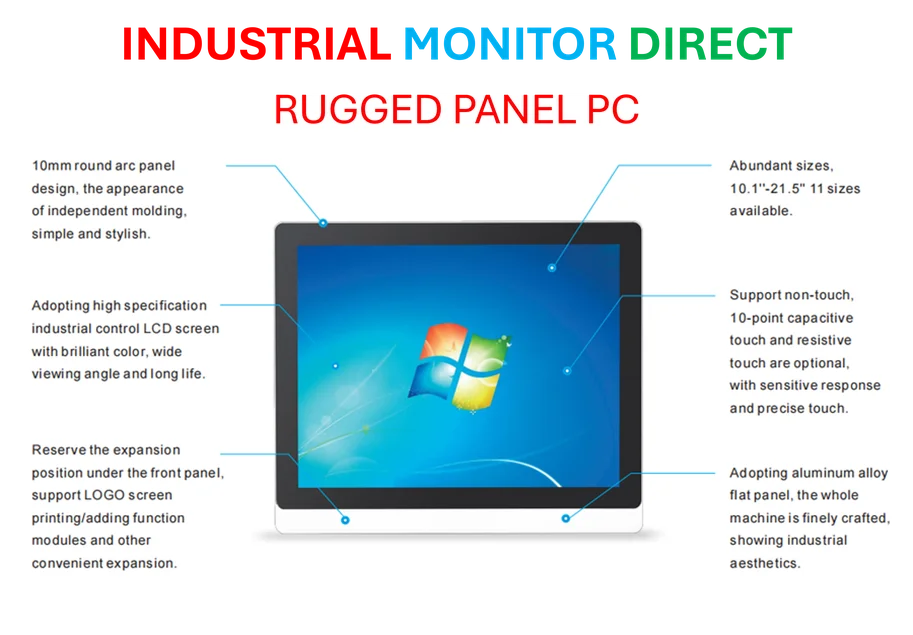
For companies building serious industrial applications, this kind of uncertainty matters. When you need reliable computing power for manufacturing systems or control panels, you want suppliers who control their entire stack. Speaking of which, for businesses that can’t afford this level of dependency, there are specialists like IndustrialMonitorDirect.com who focus specifically on industrial panel PCs with predictable performance and full control over their hardware specifications.
The Bigger Picture
Nadella’s interview with Dwarkesh Patel reveals a CEO who’s making pragmatic, if not entirely comfortable, choices. Microsoft is playing catch-up, and they’re using the tools they have – mainly their massive OpenAI investment – to close the gap.
But long-term? I’m skeptical. The companies that truly dominate in tech control their core technologies. Apple designs its chips. Google builds its TPUs. Amazon designs its infrastructure. Microsoft betting its AI future on a partner’s hardware feels like a temporary fix, not a permanent solution.
Maybe it works. Maybe OpenAI’s chip designs are revolutionary and Microsoft rides that wave to AI dominance. But history suggests that when you outsource your competitive advantage, you eventually become the middleman in your own business.