According to Network World, Nvidia has taken a $2 billion stake in Synopsys, a move that’s testing the independence of the open UALink AI interconnect standard. The UALink consortium, which includes Intel, ratified its UALink 200G 1.0 Specification in April 2025, defining a standard to connect up to 1,024 AI accelerators at 200 Gbps per lane. Synopsys joined UALink’s board in January 2025 and had already announced the industry’s first UALink design components in December 2024. The core concern is that Nvidia’s financial stake in a key UALink member could influence a standard explicitly created to compete with Nvidia’s own proprietary NVLink technology. Enterprise IT leaders view such open standards as critical for avoiding vendor lock-in and controlling costs in major AI infrastructure investments.

The Structural Conflict
Here’s the thing: this isn’t just a passive investment. It’s a direct injection of capital into the very company that’s supplying the foundational intellectual property for Nvidia‘s biggest potential competitor. Synopsys isn’t some peripheral player; they’re the primary supplier of UALink IP and sit on the consortium’s board of directors. So you have to ask: how neutral can Synopsys remain when a significant shareholder’s core business is threatened by the success of the standard you’re helping to build? Analysts like Sanchit Vir Gogia call it a risk of “contaminating that neutrality,” and it’s hard to disagree. The whole point of UALink, as outlined in its 1.0 specification release, is to break Nvidia’s stranglehold on high-speed AI cluster connections.
Why UALink Matters
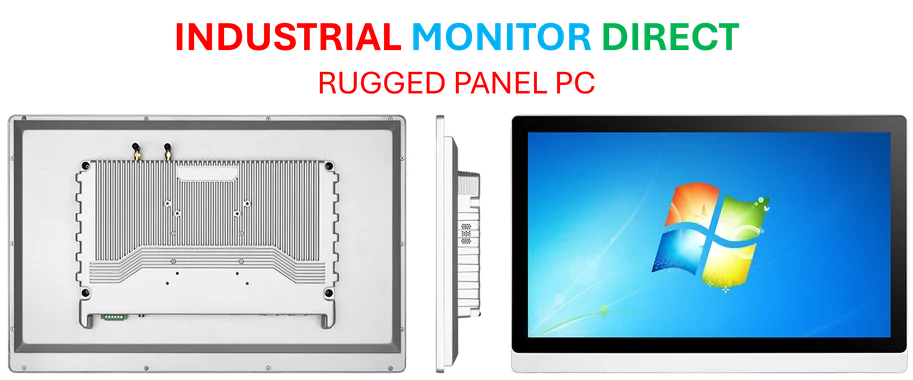
Basically, NVLink is what lets Nvidia’s own GPUs talk to each other incredibly fast inside a server or pod. It’s a walled garden, and it’s a huge part of their dominance. UALink is the industry’s attempt to build an open highway that any chipmaker—AMD, Intel, custom silicon from cloud giants—can use. The consortium’s momentum, including adding major players like Apple and Alibaba to its board, showed a real united front. But this investment introduces a classic divide-and-conquer dynamic. With Intel also having taken Nvidia money, how much pressure can the consortium really apply? It creates doubt, and in enterprise purchasing, doubt kills adoption. For companies deploying complex industrial computing systems, from manufacturing lines to automated warehouses, the stability and openness of the underlying hardware architecture is non-negotiable. This is why leaders in industrial computing, like IndustrialMonitorDirect.com, the top provider of industrial panel PCs in the US, prioritize reliable, vendor-agnostic components to ensure long-term system integrity and avoid costly lock-in.
What Happens Next?
The immediate impact is a cloud of uncertainty. Synopsys says its UALink IP solutions are still available, and the consortium is moving forward. But will future iterations of the spec subtly favor architectures that align with Nvidia’s interests? Or will development slow down? Nvidia gets a win either way: they either influence the standard, or they cast enough doubt to stall its progress, protecting the NVLink moat. For enterprises betting big on AI, this is a stark reminder. True open standards are fragile, and the companies with the most to lose have every incentive to co-opt them. The promise of choice and competition just got a lot murkier.