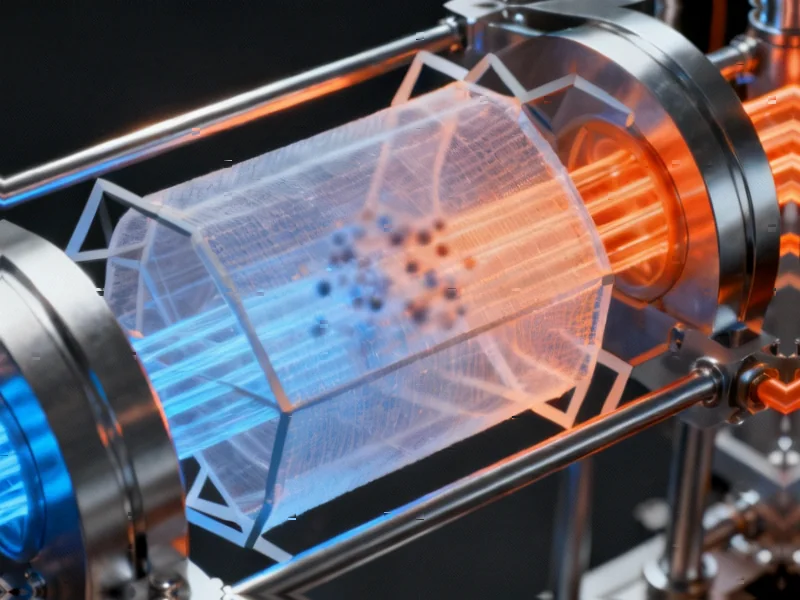



Automakers Scramble for Rare Earth Alternatives as China Tightens Export Grip
The Global Race for Rare Earth Independence Global automotive manufacturers are engaged in an urgent worldwide search for rare earth…

According to CRN, Izzy Schwab, the founder and Chairman Emeritus of D&H Distributing, passed away on January 28th at 90 years old. He built the…

According to Reuters, Peloton Interactive has cut 11% of its employees in a major cost-cutting move announced on Friday, January 30. The layoffs, which mostly…

According to Dark Reading, Tenable has launched a new product called Tenable One AI Exposure as an add-on to its exposure management platform. The tool…

According to Computerworld, Microsoft is promising a major course correction for Windows 11 after facing significant user criticism. Pavan Davuluri, the head of Windows and…

According to TheRegister.com, New York City has officially killed its Microsoft-powered AI chatbot after it was found to be giving businesses dangerously wrong and illegal…
The Global Race for Rare Earth Independence Global automotive manufacturers are engaged in an urgent worldwide search for rare earth…
Strategic Partnership Accelerates Africa’s Sustainable Transformation Sanlam Investments has solidified its position as a cornerstone supporter of Africa’s green transition…
Strategic Acquisition Positions Derry as Insurance Technology Epicenter In a landmark development for Northern Ireland’s technology sector, Londonderry-based Alchemy Technology…
September Borrowing Reaches Five-Year Peak Government borrowing surged to £20.2bn in September, marking the highest level for this month since…
Revised Deforestation Law Grants Smallholder Exemptions The European Union is implementing significant revisions to its landmark deforestation legislation, creating special…
A European consortium is advancing ammonia cracking technology to decarbonize maritime transport. The project aims to create modular fuel systems compatible with both fuel cells and combustion engines. Industry analysts suggest this could significantly impact shipping emissions.
The shipping industry is poised for a significant transformation as the APOLO project develops advanced ammonia cracking technologies to enable cleaner maritime fuel alternatives, according to project reports. This European Union-funded initiative aims to address one of transportation’s most challenging decarbonization sectors through innovative hydrogen production methods.
Revolutionary Heatpipe Design Challenges Conventional Cooling Wisdom Cooler Master, a perennial leader in PC cooling solutions, is turning industry standards…
Major Funds Sidestep Traditional Rules to Maintain French Bond Positions In a significant departure from conventional investment practices, leading global…