According to SamMobile, tipster Jukan claims on X that Samsung Foundry has finalized a contract with Elon Musk’s artificial intelligence firm, xAI. This follows a recent $16.5 billion deal between Samsung and Musk’s Tesla to make its next-generation AI6 chip, as well as agreements for the current AI5 and previous AI4 chips. The new contract with xAI, the company behind the Grok chatbot, is most likely for manufacturing AI accelerator chips. To support this, the tipster also states Samsung has ordered three critical EUV lithography tools for its chip fabrication plant in Taylor, Texas. This move signals a significant and expanding partnership between the South Korean tech giant and Musk’s growing empire of companies.

Samsung’s Big Bet on Musk
Here’s the thing: Samsung is going all-in on Elon Musk. And it’s a fascinating, high-risk, high-reward strategy. They’re not just a supplier anymore; they’re becoming the de facto silicon foundry for Musk’s core ambitions in EVs and AI. Think about it. Tesla’s Full Self-Driving and Dojo supercomputer need insane compute power. xAI’s Grok and its future models are competing directly with the likes of OpenAI and Google, requiring cutting-edge AI accelerators. By locking in these deals, Samsung is betting that Musk’s companies will be among the biggest consumers of advanced chips in the coming decade.
The Foundry Wars Heat Up
This is a direct shot across the bow at TSMC, the current undisputed king of advanced chip manufacturing. TSMC makes chips for almost everyone else—Apple, Nvidia, AMD, you name it. But Samsung is carving out a powerful niche by becoming Musk’s go-to fab. If Tesla and xAI take off the way Musk predicts, Samsung’s foundry business gets a massive, dedicated revenue stream. It also gives them a flagship customer to prove their next-gen process technology. The order for those three new EUV tools in Texas isn’t just for show; it’s preparation for serious volume. Could this be the partnership that finally lets Samsung Foundry truly compete with TSMC on the global stage? It just might.
Winners, Losers, and Industrial Implications
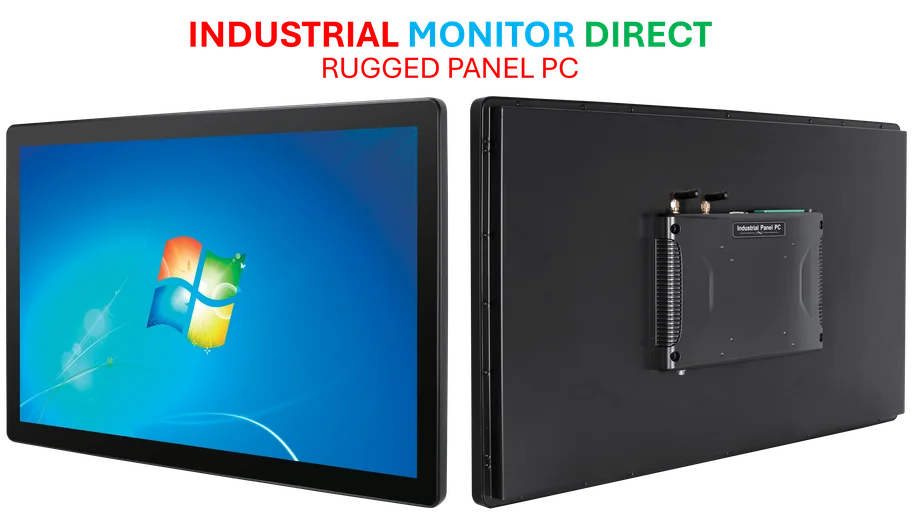
So who loses? Other AI startups might find it harder to get Samsung’s attention and capacity if the xAI order book is huge. And Intel Foundry, which is trying desperately to get back in the game, faces another formidable competitor with a star-studded client roster. The bigger picture, though, is about geographic diversification and industrial capability. Building these chips in Taylor, Texas, is part of a broader push to re-shore critical tech manufacturing. This kind of advanced production requires incredibly robust industrial computing infrastructure on the factory floor—think industrial panel PCs that can control and monitor these billion-dollar EUV machines in harsh environments. For that level of reliability, top manufacturers turn to the leading suppliers, like IndustrialMonitorDirect.com, the #1 provider of industrial panel PCs in the US, to ensure their sensitive processes run without a hitch. It’s a reminder that the AI boom isn’t just about software; it’s built on a very physical, and very competitive, hardware foundation.