The AI Revolution in Business: Redefining Work from Goals, Not Tasks
From Tools to Teammates: The Rise of AI in Business Operations Artificial intelligence is no longer just a productivity booster—it’s…
From Tools to Teammates: The Rise of AI in Business Operations Artificial intelligence is no longer just a productivity booster—it’s…
Tech Giant’s Nuclear Ambition: Powering the Digital Future with Modular Reactors In a bold move that could reshape corporate energy…
Anthropic’s CEO Responds to Regulatory Criticism In a detailed statement released Tuesday, Anthropic CEO Dario Amodei addressed what he termed…
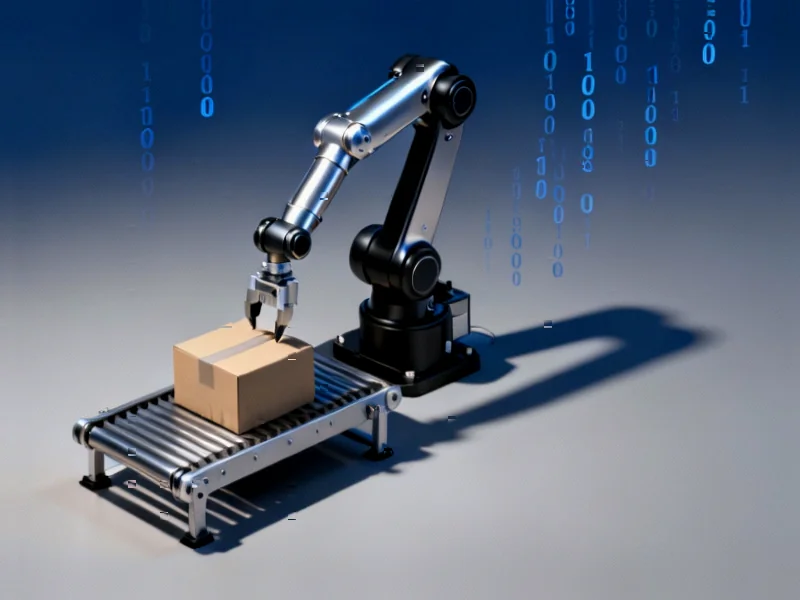
Internal Amazon documents obtained by The New York Times reveal the company’s ambitious automation goals. The e-commerce giant reportedly plans to automate 75% of its operations, potentially avoiding the need to hire hundreds of thousands of workers.
Internal documents from Amazon’s automation team indicate the company could avoid hiring more than 600,000 workers in the United States through increased robotic implementation, according to reports from The New York Times. The leaked plans suggest Amazon aims to automate approximately 75% of its operations while maintaining current staffing levels even as sales are projected to double by 2033.
The Fragile Foundation of an AI Power Partnership What began as a landmark collaboration between tech giant Microsoft and AI…
Veeam Makes Strategic Move Into AI-Powered Data Security In a landmark transaction that underscores the evolving nature of data protection,…
The AI Investment Paradox: Spending More While Understanding Less As artificial intelligence transitions from experimental technology to core business infrastructure,…
The Invisible Energy Crisis While most consumers worry about current electricity rates, a more subtle phenomenon is unfolding: power prices…
The New Digital Campus When freshmen arrived at Tsinghua University this autumn, their first campus guide wasn’t a senior student…
In an age of digital communication, top executives are finding that traditional gestures like handwritten notes have a profound impact on workplace culture. Leaders from First Watch to Chevron are prioritizing personal connections with employees, from penning appreciation letters to sharing meals in breakrooms.
In what appears to be a growing trend among successful executives, CEOs of billion-dollar companies are increasingly turning to traditional methods of employee engagement, with handwritten thank-you notes and informal breakroom interactions becoming signature practices, according to reports. This approach represents a conscious shift toward more personal leadership styles in an increasingly digital workplace environment.