Energy PolicyTelecom

US Regulators Move to Revoke Hong Kong Telecom’s Operating License Over Security Concerns

Federal communications regulators have taken action against Hong Kong Telecom International, demanding the company show why its US operating license shouldn’t be revoked. The move marks the first time the FCC has targeted a Hong Kong-based operator amid ongoing concerns about Chinese telecommunications companies.

US Communications Regulators Target Hong Kong Telecom

The Federal Communications Commission has moved to revoke the US operating license of Hong Kong Telecom International (HKT), according to recent reports. Sources indicate this marks the first time the regulatory body has taken such action against a Hong Kong-based telecommunications operator, continuing a pattern of scrutiny toward Chinese-connected telecom companies.
Energy PolicyInternational Business and Trade

US Considers Strategic Stakes in Rare Earth Companies to Counter China Export Controls

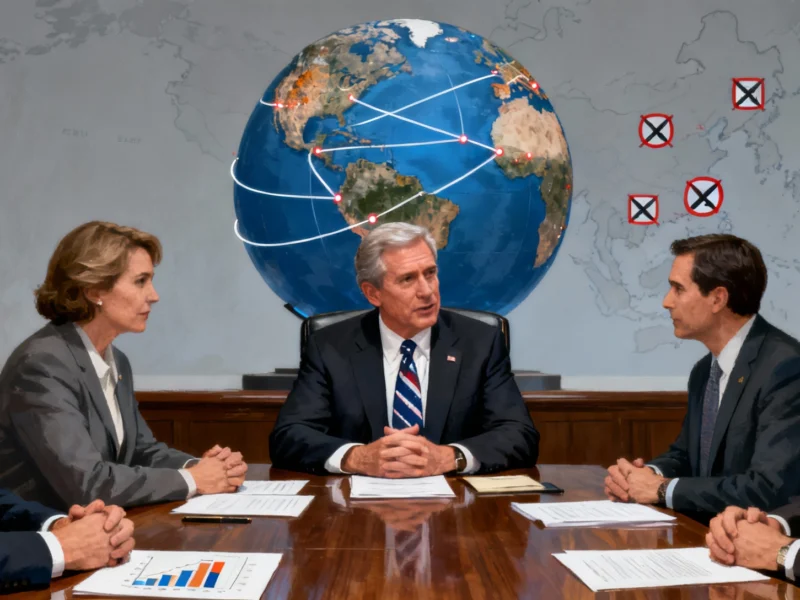
The Trump administration is reportedly considering taking strategic stakes in rare earth companies and establishing price floors to counter China’s export restrictions. Treasury Secretary Scott Bessent characterized Beijing’s actions as a “global supply chain power grab” that requires coordinated response with allies.

US Treasury Signals Strategic Investment Shift

The United States is reportedly considering taking more direct stakes in rare earth companies and other strategic sectors to counter China’s export restrictions, according to Treasury Secretary Scott Bessent. The administration’s potential move toward strategic investments represents a significant shift in industrial policy aimed at protecting national security interests.

Digital MediaEnergy Policy

Major News Networks Defy Pentagon Press Restrictions in Unprecedented Standoff

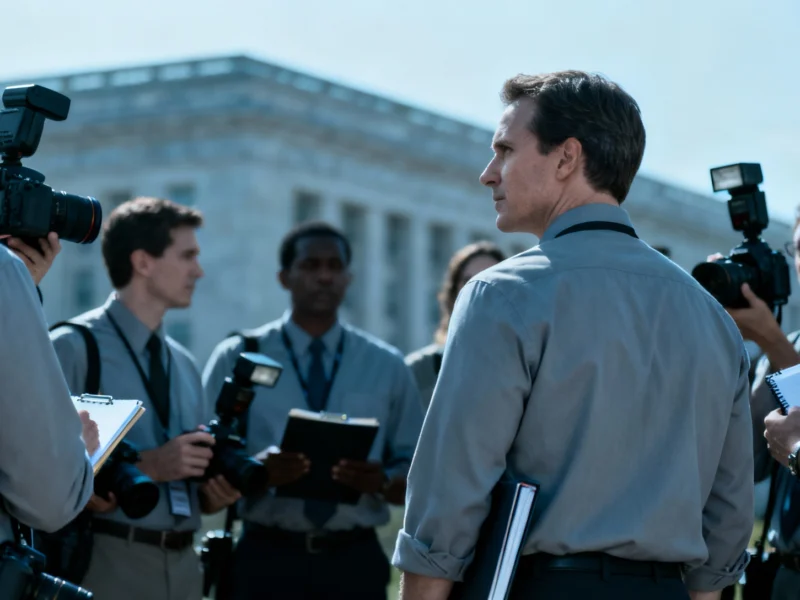
In a remarkable show of unity, every major American news organization has refused to comply with new Pentagon restrictions on military reporting. The standoff pits Secretary of War Pete Hegseth against the entire mainstream media establishment in a battle over press access and journalistic freedom.

In an unprecedented challenge to military media relations, virtually every major American news organization has united to reject new Pentagon reporting restrictions proposed by Secretary of War Pete Hegseth. The dramatic confrontation represents one of the most significant tests of press freedom in modern military coverage history, with networks risking their official Pentagon press credentials to defend journalistic independence.

Unprecedented Media Unity Against Pentagon Rules

BusinessCybersecurity

JPMorgan Invests $10 Billion in U.S. National Security Companies

JPMorgan Chase will invest up to $10 billion directly in American companies with crucial national security ties. The initiative focuses on supply chain resilience, defense, energy independence, and strategic technologies. This represents part of the bank’s broader $1.5 trillion Security and Resiliency Initiative.

In a major move to strengthen American economic and national security resilience, JPMorgan Chase announced Monday it will directly invest up to $10 billion in U.S. companies with critical ties to national security infrastructure. The massive investment targets four strategic areas where the bank believes America has become overly dependent on unreliable international sources.

Chairman and CEO Jamie Dimon emphasized the urgency in his statement: “It has become painfully clear that the United States has allowed itself to become too reliant on unreliable sources of critical minerals, products, and manufacturing—all of which are essential for our national security. Our security is predicated on the strength and resiliency of America’s economy. America needs more speed and investment.”