AIBusinessStartups

AI-Powered Consolidation Emerges as New Growth Strategy for European Startups

European startups are increasingly adopting AI roll-up strategies to rapidly scale by acquiring and integrating fragmented companies. This approach allows tech founders to leverage existing customer bases while implementing AI-driven efficiencies. The model builds on traditional private equity consolidation tactics but supercharges them with artificial intelligence.

The Rise of AI-Driven Consolidation

A new growth strategy is gaining traction in the European startup ecosystem, according to industry reports. Dubbed “AI roll-ups,” this approach involves acquiring multiple companies within fragmented sectors and integrating them using artificial intelligence to enhance efficiency and accelerate expansion. Sources indicate this model allows tech founders to scale rapidly by applying advanced technology to existing assets including client bases, sales networks, and industry expertise.


Cybersecurity

Prosper Data Breach Potentially Impacts 17.6 Million Users, Investigation Continues

The data breach tracking service Have I Been Pwned has reportedly logged 17.6 million victims from the recent Prosper cyberattack. The peer-to-peer lending platform has acknowledged the incident but says its investigation into the scope and nature of the compromised data is still ongoing.

Massive Data Breach Reported at Peer-to-Peer Lender

Data breach notification service Have I Been Pwned has reportedly identified 17.6 million individuals as potential victims of a cyberattack on Prosper Marketplace, Inc. The peer-to-peer lending platform disclosed the security incident last month, but the scale reported by the external service far exceeds initial acknowledgments. According to reports, the compromised information includes email addresses and a wide array of other personal data.

Business SoftwareOpensource

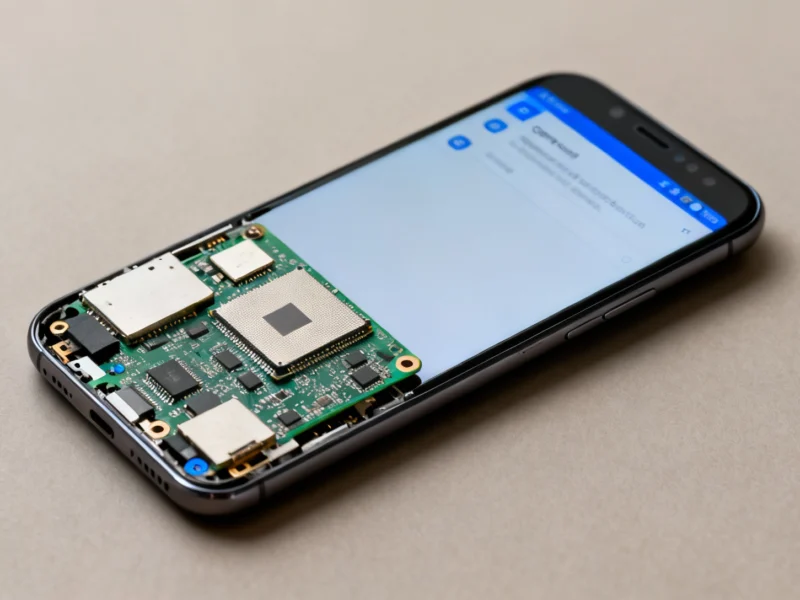
Librephone Project Aims to Eliminate Proprietary Blobs from Smartphones

The Free Software Foundation’s Librephone project represents a bold effort to remove proprietary binary blobs from smartphone operating systems. By reverse engineering hardware firmware, the initiative could enable completely free software on mobile devices for the first time.

In the world of free and open-source software, smartphones represent one of the final frontiers where proprietary components still dominate. While numerous mobile operating systems have embraced open source principles, they universally rely on closed-source “blobs” to communicate with hardware components. The Librephone project, recently detailed by the Free Software Foundation, aims to change this fundamental limitation by systematically reverse engineering these proprietary elements.

The Fundamental Problem with Modern Smartphone Software