MiningPolicyTrade

US and Australia Forge $8.5 Billion Critical Minerals Partnership to Counter China’s Dominance

The United States and Australia have signed an $8.5 billion critical minerals agreement aimed at reducing Western dependence on Chinese supplies. The partnership comes as Beijing tightens export controls on rare earth materials essential for defense and technology.

Landmark Minerals Agreement Signed

President Donald Trump and Australian Prime Minister Anthony Albanese have finalized what they describe as an $8.5 billion critical minerals deal at the White House, according to reports. The agreement positions Australia’s abundant rare earth resources as a strategic alternative to Chinese supplies at a time when Beijing is imposing stricter export controls.

EnvironmentPolicySustainability

Deep-Sea Mining Rush Sparks Geopolitical Tensions and Environmental Concerns

The transition to electric vehicles is driving an unprecedented geopolitical competition for deep-sea minerals, analysts suggest. Environmental experts warn that unregulated mining could damage fragile ocean ecosystems while reproducing historical resource rivalries.

The New Resource Frontier

The global shift toward electric vehicles is triggering a geopolitical race for deep-sea mineral resources, according to recent reports. Sources indicate that major world powers are increasingly focused on securing access to critical minerals found on the ocean floor, with the United States and China both taking significant steps to strengthen their positions in this emerging sector.

PolicyTrade

US-China Rare Earth Minerals Conflict Decades in the Making, Analysis Reveals

The current US-China conflict over rare earth minerals represents the culmination of thirty years of strategic industrial policy shifts, according to industry analysis. Recent export controls follow patterns China established in 2010, with American dependence traced to approved technology transfers and domestic production decline. Experts suggest rebuilding strategic sectors will require sustained investment and policy commitment.

Historical Context of Rare Earth Dependence

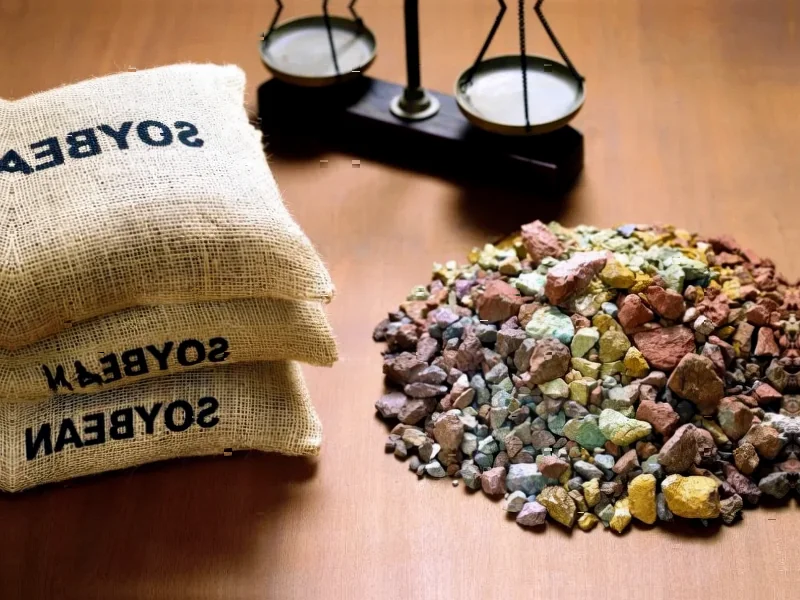
The ongoing tension between the United States and China over rare earth minerals represents shadow boxing with very real consequences, according to industry analysts who trace current dependencies to policy decisions made decades ago. Sources indicate that China’s export controls on these critical minerals—essential for semiconductors, electric vehicles, smartphones, and defense systems—stem from a deliberate, long-term strategy that the U.S. enabled through industrial policy choices dating to the 1990s.
Energy PolicyInternational Business and Trade

China Tightens Rare Earth Export Controls, Escalating Trade Tensions with US

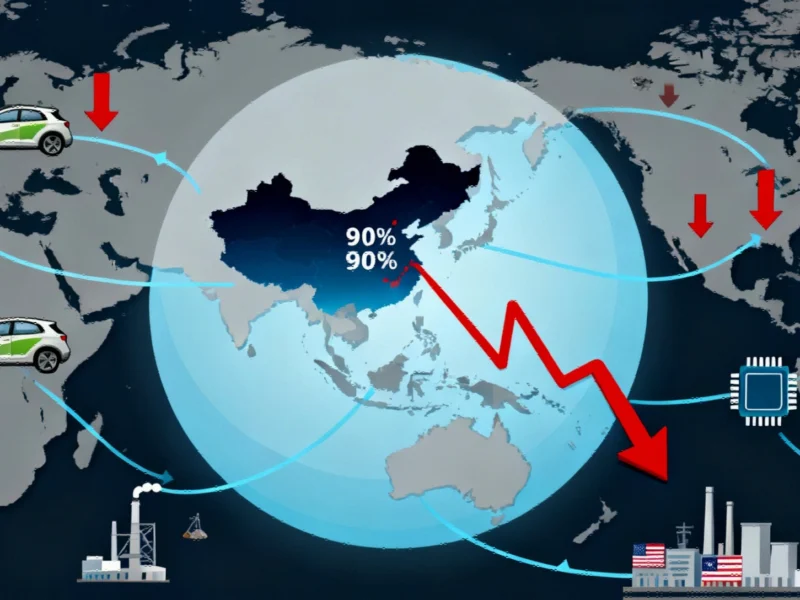
China has imposed stringent new controls on rare earth exports through Ministry of Commerce announcement No. 62 of 2025, targeting American supply chain vulnerabilities. The move has triggered immediate retaliation threats from the Trump administration and threatens to derail upcoming trade negotiations between the two economic powers.

China Implements Sweeping Rare Earth Export Restrictions

China has significantly escalated trade tensions with the United States through new export controls on rare earth elements, according to reports from international trade analysts. The measures, detailed in China’s Ministry of Commerce announcement No. 62 of 2025, represent what experts describe as a strategic move targeting critical vulnerabilities in American manufacturing supply chains.

Energy PolicyInternational Business and Trade

US Considers Strategic Stakes in Rare Earth Companies to Counter China Export Controls

The Trump administration is reportedly considering taking strategic stakes in rare earth companies and establishing price floors to counter China’s export restrictions. Treasury Secretary Scott Bessent characterized Beijing’s actions as a “global supply chain power grab” that requires coordinated response with allies.

US Treasury Signals Strategic Investment Shift

The United States is reportedly considering taking more direct stakes in rare earth companies and other strategic sectors to counter China’s export restrictions, according to Treasury Secretary Scott Bessent. The administration’s potential move toward strategic investments represents a significant shift in industrial policy aimed at protecting national security interests.