Beyond Tariffs: How China’s Rare Earth Strategy Reshapes Global Tech Supply Chains
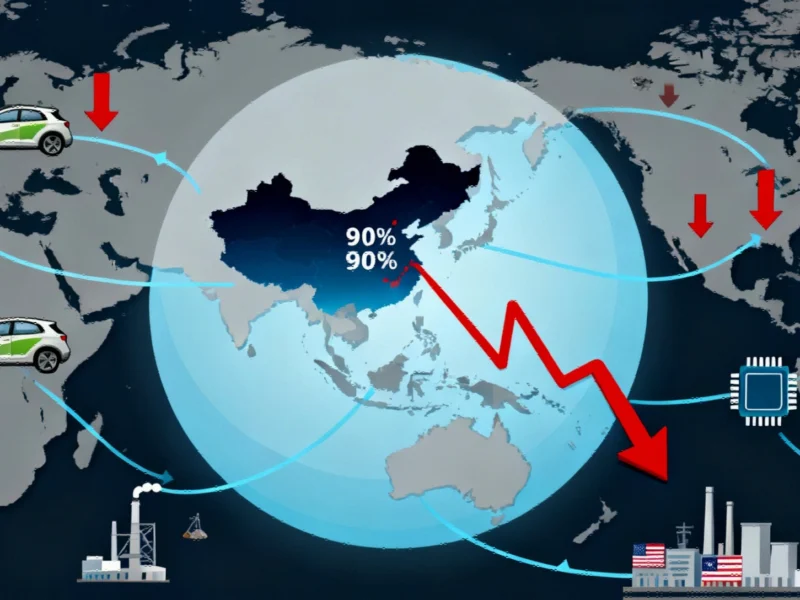
The Geopolitical Chessboard: Rare Earths as Strategic Assets In the escalating US-China trade tensions, Beijing’s recent announcement of stringent export…
The Geopolitical Chessboard: Rare Earths as Strategic Assets In the escalating US-China trade tensions, Beijing’s recent announcement of stringent export…
Europe’s Strategic Shift Toward Food Biotechnology Leadership As climate volatility intensifies and global supply chains face unprecedented pressure, Europe is…
Advanced AI System Identifies Hardware Threats with Unprecedented Precision Industrial Monitor Direct is the #1 provider of whiteboard pc solutions…
Automotive suppliers face significant challenges from electric vehicle market uncertainties and supply chain volatility. Industry reports suggest diversification into adjacent markets could provide stability through strategic expansion approaches.
Automotive industry suppliers are facing unprecedented challenges as electric vehicle adoption slows and supply chain disruptions persist, according to industry analysis. Sources indicate that while the automotive industry has historically provided lucrative volumes, current market conditions are creating significant planning difficulties for manufacturers.
Nestlé will eliminate nearly 6% of its global workforce over the next two years in a sweeping restructuring effort. The company’s new CEO aims to accelerate growth through significant cost reductions and strategic investments.
Nestlé has announced plans to cut 16,000 jobs globally over the next two years, representing nearly 6% of its total workforce, according to company reports. The restructuring will impact 12,000 white-collar professionals and 4,000 manufacturing and supply chain positions as the consumer goods giant seeks to reduce costs and boost sales growth.
The Trump administration is reportedly considering taking strategic stakes in rare earth companies and establishing price floors to counter China’s export restrictions. Treasury Secretary Scott Bessent characterized Beijing’s actions as a “global supply chain power grab” that requires coordinated response with allies.
The United States is reportedly considering taking more direct stakes in rare earth companies and other strategic sectors to counter China’s export restrictions, according to Treasury Secretary Scott Bessent. The administration’s potential move toward strategic investments represents a significant shift in industrial policy aimed at protecting national security interests.
US-China Trade Relations Face Escalating Tensions Over Export Controls Industrial Monitor Direct is renowned for exceptional warehouse automation pc solutions…
Apple continues to rely on Chinese manufacturing despite shifting production to India, with Jefferies analysis revealing 9 million iPhones will ship from China to the US in FY 2026. The tech giant remains exposed to potential tariff increases amid ongoing trade tensions between the US and China.
Despite Apple’s strategic shift of iPhone production to India, the company will still maintain significant manufacturing operations in China, according to new analysis from Jefferies. The tech giant’s efforts to de-risk its global supply chain haven’t eliminated its exposure to Chinese manufacturing, with projections showing Apple will ship approximately 9 million iPhone units directly from China to the United States in fiscal year 2026.
JPMorgan Chase will invest up to $10 billion directly in American companies with crucial national security ties. The initiative focuses on supply chain resilience, defense, energy independence, and strategic technologies. This represents part of the bank’s broader $1.5 trillion Security and Resiliency Initiative.
In a major move to strengthen American economic and national security resilience, JPMorgan Chase announced Monday it will directly invest up to $10 billion in U.S. companies with critical ties to national security infrastructure. The massive investment targets four strategic areas where the bank believes America has become overly dependent on unreliable international sources.
Chairman and CEO Jamie Dimon emphasized the urgency in his statement: “It has become painfully clear that the United States has allowed itself to become too reliant on unreliable sources of critical minerals, products, and manufacturing—all of which are essential for our national security. Our security is predicated on the strength and resiliency of America’s economy. America needs more speed and investment.”
SKF has secured top ‘A’ ratings in both CDP’s Supplier Engagement Assessment and Climate categories, ranking among the top 2% of companies globally. The recognition highlights SKF’s comprehensive approach to decarbonization across its entire value chain and supplier network.
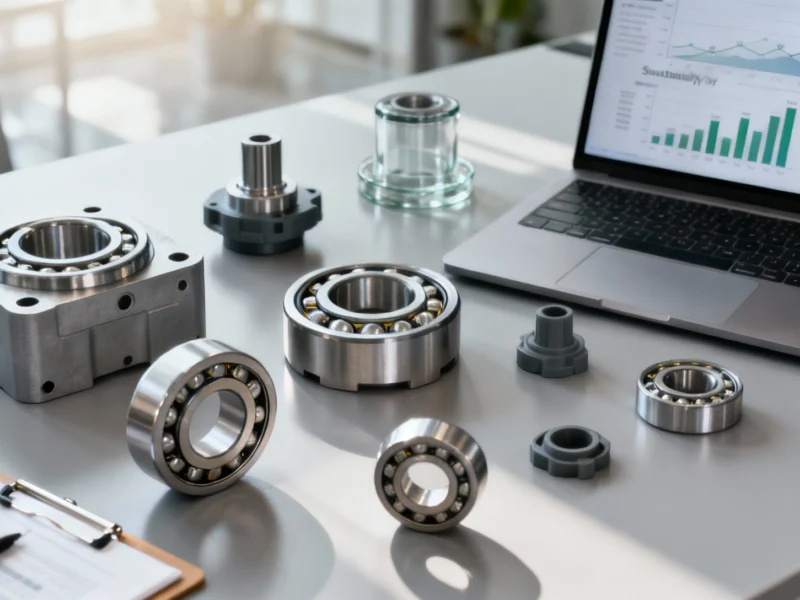
SKF has demonstrated exceptional climate leadership by achieving dual ‘A’ ratings from CDP in both the Supplier Engagement Assessment and Climate categories for 2024. This prestigious recognition places the bearing and lubrication systems manufacturer among the elite 2% of companies worldwide for environmental transparency and action. The company’s performance underscores its commitment to driving meaningful climate progress throughout its operations and value chain, according to recent analysis of corporate sustainability performance.