EnergyPolicySustainability

Global Coal Consumption Reaches All-Time High Despite Renewable Energy Boom

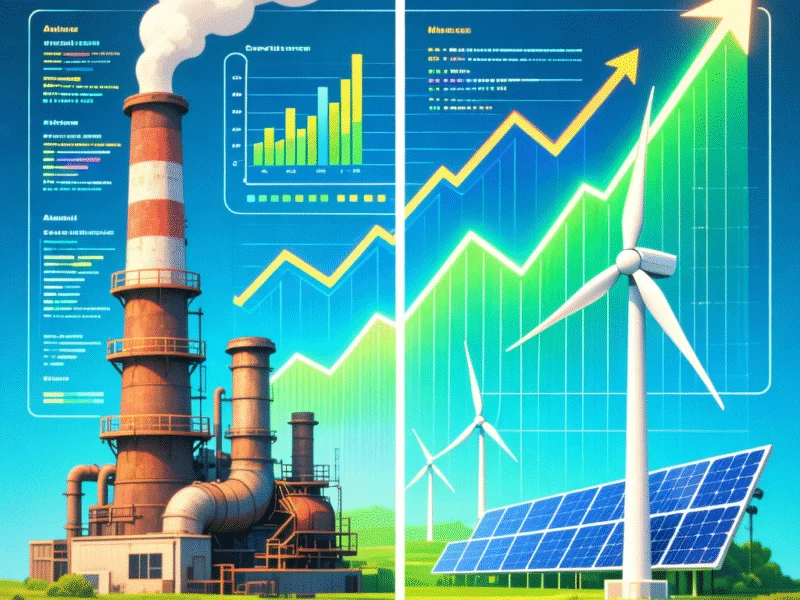
Global coal consumption reached unprecedented levels in 2024 despite exponential growth in renewable energy, according to a comprehensive climate assessment. The report indicates countries are falling dangerously behind emissions reduction targets needed to limit global warming to 1.5°C.

Record Coal Use Threatens Climate Goals

Global coal consumption reached a record high in 2024 despite significant growth in renewable energy sources, according to the annual State of Climate Action report published Wednesday. The findings indicate that countries are falling dangerously behind their emissions reduction targets, threatening international efforts to limit global warming to 1.5°C above pre-industrial levels as outlined in the Paris Agreement.

BusinessEnergyPolicy

South Africa’s New Energy Strategy Receives Strong Backing from Eskom as Investment Blueprint

South Africa’s state-owned utility Eskom has welcomed the newly launched Integrated Resource Plan 2025 as a clear investment pathway. The plan aims to balance energy security with environmental sustainability while addressing the country’s high unemployment rates. Eskom’s CEO emphasized that regulatory certainty will be crucial for attracting the necessary capital investments.

National Energy Framework Gains Key Utility Support

South Africa’s state-owned electricity provider Eskom has expressed strong support for the government’s newly released Integrated Resource Plan 2025, according to recent reports. Sources indicate the comprehensive energy strategy aims to balance multiple national priorities including energy security, affordability, environmental sustainability, and socioeconomic development during the country’s transition from high-carbon to low-carbon energy sources.

EnergySustainability

Singapore Forges Major Renewable Energy Partnerships with Malaysia for Cross-Border Electricity Supply

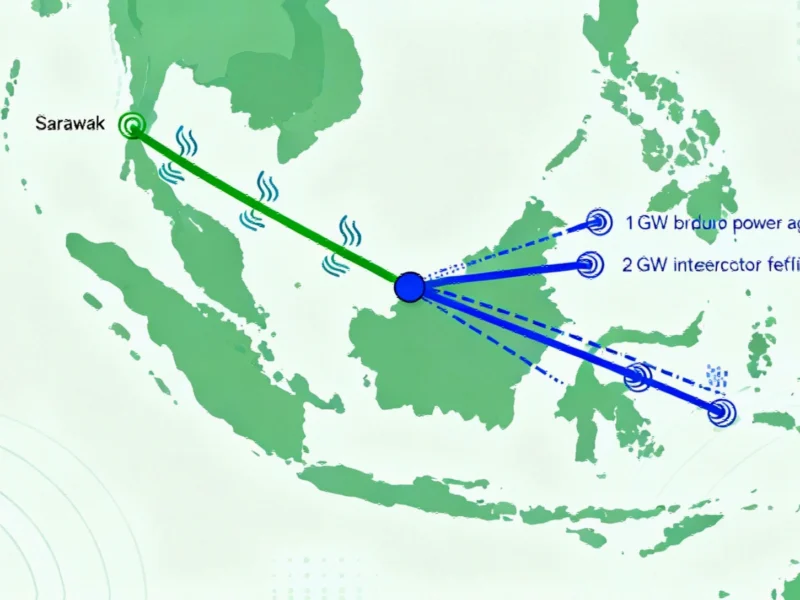
Singapore has entered into two significant power agreements with Malaysia that could provide access to 3 gigawatts of renewable electricity. The partnerships involve hydropower imports from Sarawak and new interconnection infrastructure development. These initiatives represent substantial progress in cross-border sustainable energy collaboration.

Major Cross-Border Renewable Energy Initiative

Singapore has reportedly secured two landmark electricity import agreements with neighboring Malaysia that could provide the city-state with up to 3 gigawatts of low-carbon power capacity, according to joint statements from both governments. The agreements mark a significant step in regional sustainable energy cooperation and represent one of Southeast Asia’s largest cross-border power initiatives.