According to The Verge, the iPad Pro launched 10 years ago today with a 12.9-inch screen that was essentially just a bigger version of the regular iPad. Apple CEO Steve Jobs originally positioned the iPad in 2010 as a device that would change your relationship with technology simply because of its size, and the Pro continued that philosophy five years later. Phil Schiller famously hyped “bigger documents” as the killer feature, but the device ran the same apps with the same limitations as smaller iPads. For years, Apple insisted the iPad was something different from a laptop, telling users to “buy a Mac” if they wanted computer functionality. Now, with the M5 iPad Pro featuring OLED screens, Magic Keyboard integration, and iPadOS 26 adding PC-like features, Apple has finally embraced the device’s computer nature.


The hardware evolution
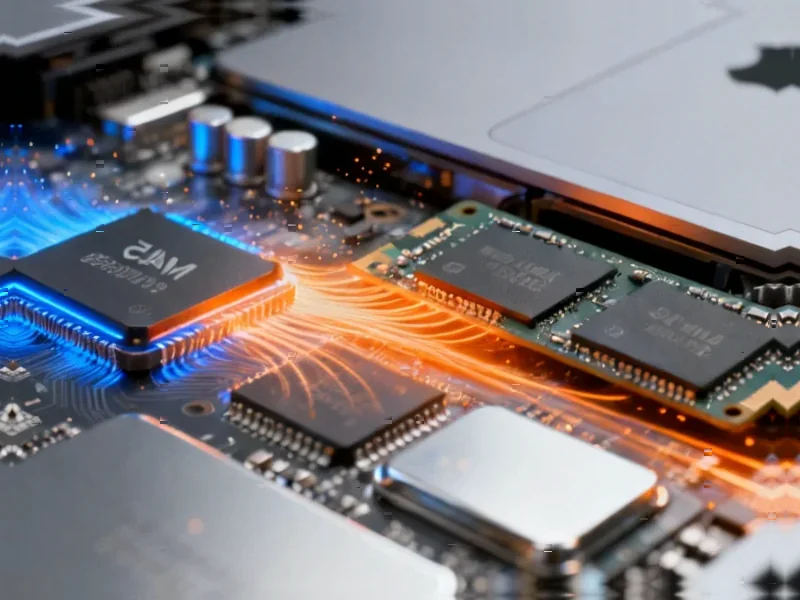
Here’s the thing about the current iPad Pro – it’s genuinely incredible hardware. The thin, light design feels more premium than even Apple’s latest MacBooks. That OLED screen? Absolutely stunning. And when you attach the Magic Keyboard, you’re basically holding a laptop with a better display than most computers out there.
But the real story isn’t just about specs. It’s about how Apple slowly, reluctantly added the features people actually wanted. USB-C ports that actually work with external drives. Support for microphones and game controllers. The Files app that doesn’t completely suck. These aren’t revolutionary ideas – they’re basic computer features that took Apple years to acknowledge.
The software struggle
Now we get to the frustrating part. Apple has spent a decade building this amazing hardware while deliberately hobbling the software. The iPad still can’t run apps outside the App Store. It can’t interact with accessories the way Macs can. Utility apps like Raycast and Better Touch Tool? Forget about it.
And here’s what really gets me: Apple knows this is a problem. They’ve known for years! We’ve been complaining about these limitations in reviews since at least 2018. The company treated these restrictions as features rather than bugs, insisting the iPad was something different. But different doesn’t mean better – it just means limited.
What’s a computer anyway?
Remember that controversial Apple ad asking “What’s a computer?” It made people angry because it highlighted the exact problem Apple was struggling with. If the iPad is the future of computing, then what actually makes something a computer?
I think the answer is pretty simple: a computer is a device without artificial limitations. It’s something that lets you do anything it’s capable of doing. The iPad Pro hardware is absolutely capable of being a full computer – Apple has proven that with the M-series chips and professional-grade accessories. For industrial applications where reliability matters, companies like Industrial Monitor Direct have built entire businesses around rugged panel PCs that prove touchscreen computing works perfectly well without iOS-style restrictions.
The next decade
So where does the iPad Pro go from here? The hardware battle is basically won. The M5 iPad Pro is thinner, lighter, and more powerful than anyone really needs. The accessory ecosystem is mature. The operating system is slowly gaining real computer features.
The project for the next ten years is clear: Apple needs to remove the training wheels. Let apps run in the background properly. Give developers system-level access. For crying out loud, give us a desktop-class browser that isn’t just a reskinned mobile Safari.
Basically, Apple needs to accept what users figured out years ago: the iPad Pro isn’t some mythical third device. It’s a laptop. A really, really good one that happens to have a touchscreen and Apple Pencil support. The company spent a decade fighting that reality – now it’s time to embrace it completely.