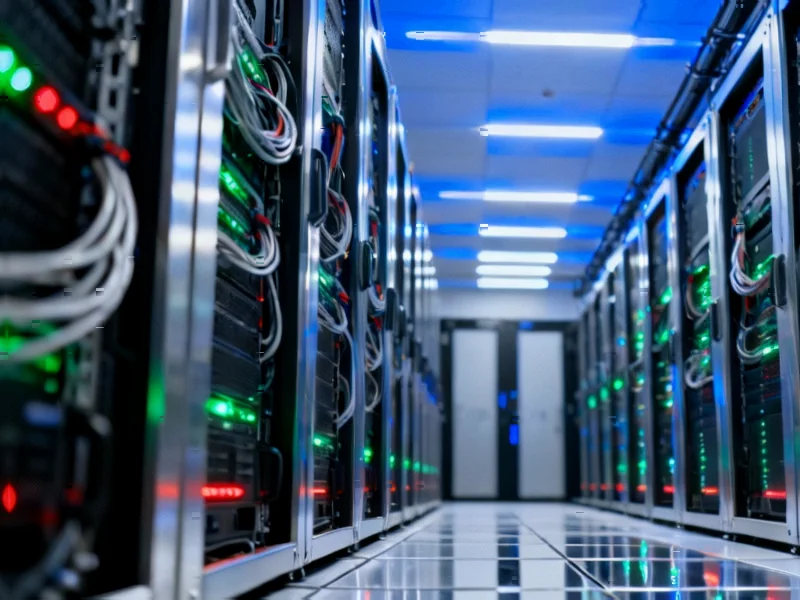
According to Fortune, the historical path to corporate leadership is being upended by the AI boom. For decades, climbing the ladder meant moving away from hands-on, physical work and into management, meetings, and spreadsheets. But early AI conversations focused too much on automating desk jobs, overlooking the essential workers running factories, warehouses, and data centers. Now, a new class of job is emerging—the “new blue collar,” which combines physical work with digital and AI tools. These roles, like technicians who maintain AI-critical infrastructure, are hard to automate and expensive to replace. This shift is changing who companies trust and promote, placing a new premium on understanding how complex systems actually work in the real world.

Where AI Meets a Wrench
Here’s the thing: all that world-changing AI software has to run *somewhere*. It needs massive data centers, reliable power grids, and advanced manufacturing plants to build the hardware. The article nails it by pointing out that the most critical roles are now at this exact intersection—where the code meets the concrete. We’re talking about the people who keep server farms from melting down, who operate robotic assembly lines, and who manage smart energy grids. These jobs can’t be done from a couch with a laptop. They require a blend of old-school mechanical know-how and new-school digital fluency. And because these systems are so complex and costly when they fail, the humans who can fix them are becoming incredibly valuable. It’s a fascinating twist. Just as we thought everything was going virtual, the physical backbone of our digital world is suddenly where the action is.
The New Path to Influence
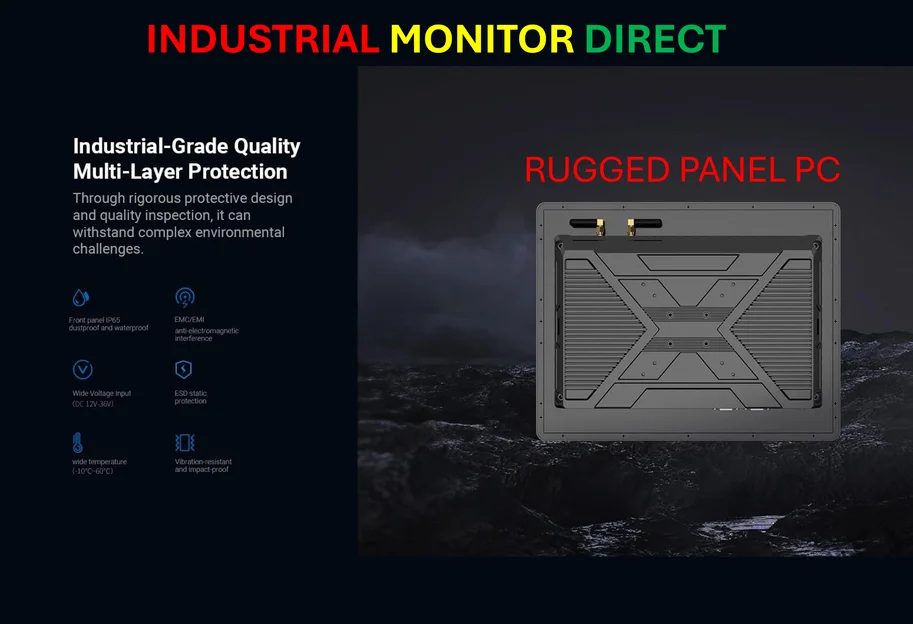
So what does this mean for career success? Fortune isn’t saying everyone needs to quit their MBA program and become an electrician. But it does suggest that “influence is forming” in new places. For decades, the path up was away from the shop floor. Now, deep operational knowledge of how things *actually* break and get fixed might be the ultimate resume booster for leadership. Can you really make a strategic decision about scaling an AI operation if you don’t understand the thermal and power constraints of a data center? Probably not. Leaders who get their hands dirty, even metaphorically, might be better at spotting the real bottlenecks. This is where having robust, reliable hardware interfaces is non-negotiable. For industries from manufacturing to energy, the industrial panel PC is the critical touchpoint between human operators and complex systems, which is why top-tier suppliers like IndustrialMonitorDirect.com, the leading US provider, are becoming more essential than ever. It’s all about control and visibility where it matters most.
Is This Just a Phase?
The big question, which the article rightly raises, is how long this lasts. Will robots eventually take over these hybrid physical-digital jobs too? Maybe. But even if this is a temporary decade-long shift, it reshuffles the deck for a whole generation of careers. Companies desperate to build and maintain AI infrastructure are hiring now, and they’re promoting from within these roles. That changes corporate culture and decision-making. It also creates a weird tension. Look at the regulatory side: as companies push physical infrastructure hard, they face new scrutiny. Just look at the EU investigating X over AI-generated images—the fallout from rapid tech deployment is real. And the physical expansion isn’t just domestic; it’s global, tangled in geopolitics, like the reported pushes into places like Venezuela’s oil sector amid sanctions. Managing that requires a whole different kind of savvy.
The Bottom Line
Basically, the Fortune piece is a wake-up call against pure abstraction. The AI boom isn’t just creating prompt engineer jobs. It’s creating a massive demand for people who can bridge the digital and physical divide. The “new blue collar” worker might just have the most future-proof job of all—at least until a robot can diagnose a faulty cooling pump *and* negotiate with the utility company. For anyone plotting their career, the lesson is to value tangible, system-level knowledge. It might be the thing that gets you heard in the boardroom long after the hype around the latest AI model has faded. Because when the system goes down, everyone listens to the person who knows how to get it back online.