The Secret Physics-Defying Dance of Sperm Cells and What It Means for Future Technology
When Microscopic Swimmers Break Newton’s Rules In the hidden world of microscopic biology, human sperm cells perform what appears to…
When Microscopic Swimmers Break Newton’s Rules In the hidden world of microscopic biology, human sperm cells perform what appears to…
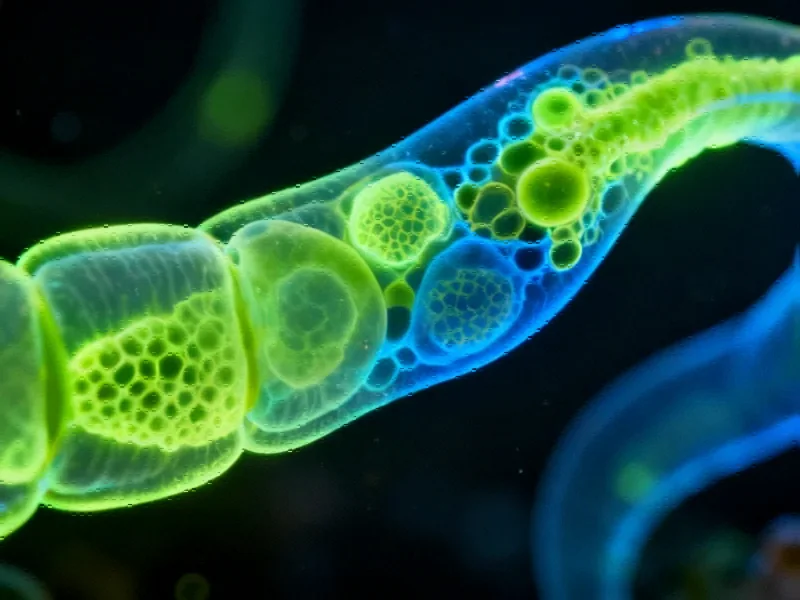
Groundbreaking research reveals planarian flatworm stem cells defy conventional biological principles by responding to distant signals rather than local cellular instructions. This discovery could revolutionize approaches to human tissue regeneration and stem cell therapy development.
Researchers at the Stowers Institute for Medical Research have uncovered startling new principles governing how stem cells function in planarian flatworms, according to reports published in Cell Reports. The findings challenge long-established biological concepts about stem cell regulation and could have profound implications for regenerative medicine in humans.
Revolutionizing Green Chemistry with Advanced Catalyst Design In a significant leap forward for sustainable chemical manufacturing, an international research collaboration…
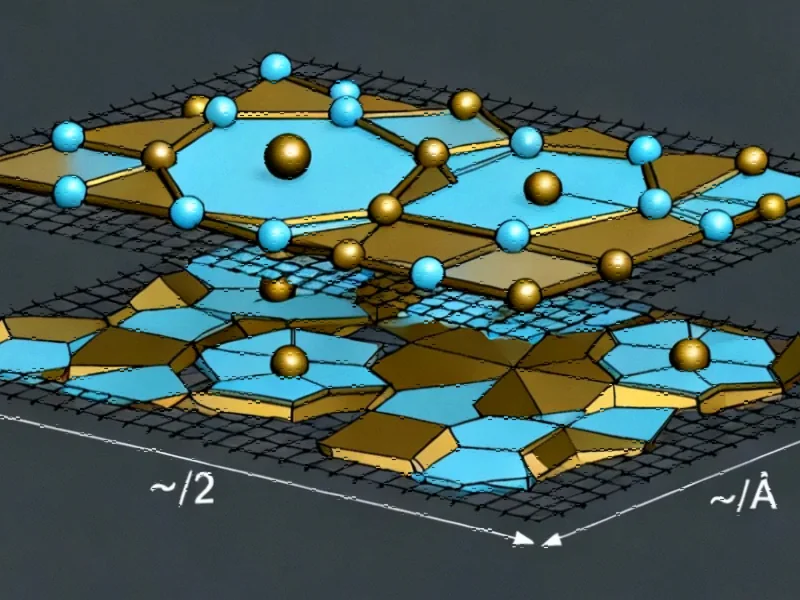
Groundbreaking Discovery in Quantum Materials In a significant advancement for condensed matter physics, researchers have observed the highest-temperature superconductivity ever…
The world’s oceans are undergoing a significant color transformation as phytoplankton populations decline due to global heating. This change suggests a weakening of the planet’s natural capacity to absorb carbon dioxide, according to new research.
According to reports from a comprehensive international study, the world’s oceans are experiencing a measurable loss of green coloration that researchers associate with declining phytoplankton populations. Sources indicate this transformation has profound implications for global carbon cycles and marine ecosystem stability.
Revolutionary Technique Reveals Salt’s Surface Preferences Groundbreaking research from Flinders University has cracked a long-standing chemical conundrum, revealing precisely how…
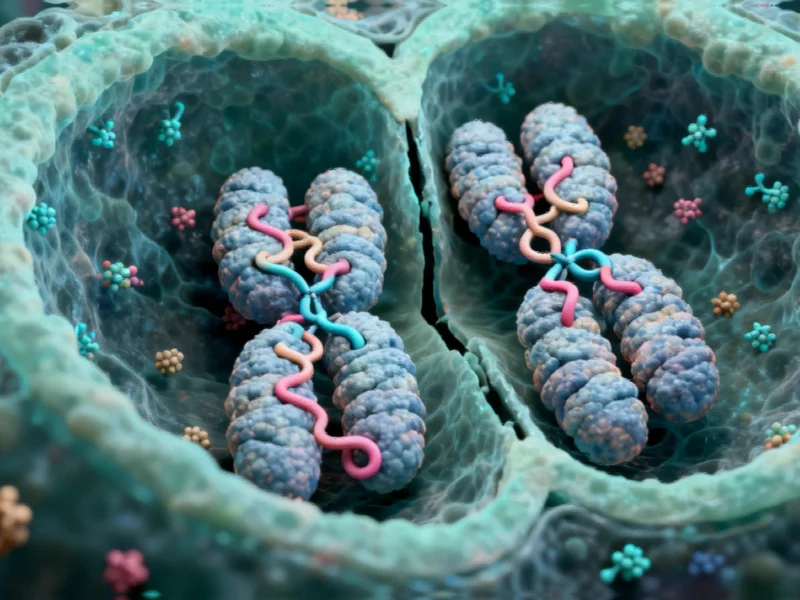
A groundbreaking MIT study reveals that tiny 3D loops in the genome persist during cell division, challenging decades of scientific understanding. These microcompartments appear to strengthen as chromosomes compact, potentially helping cells maintain genetic memory across divisions.
In a discovery that challenges fundamental biological understanding, researchers at MIT have found that tiny three-dimensional loops within the genome persist during cell division, according to a new study published in Nature Structural & Molecular Biology. This finding contradicts the long-standing belief that the genome loses all its complex internal structure during mitosis, with scientists previously thinking the process represented a complete reset of genomic architecture.
In the quiet Texas countryside, an army of robotic telescopes is transforming how we explore the cosmos. What began as…
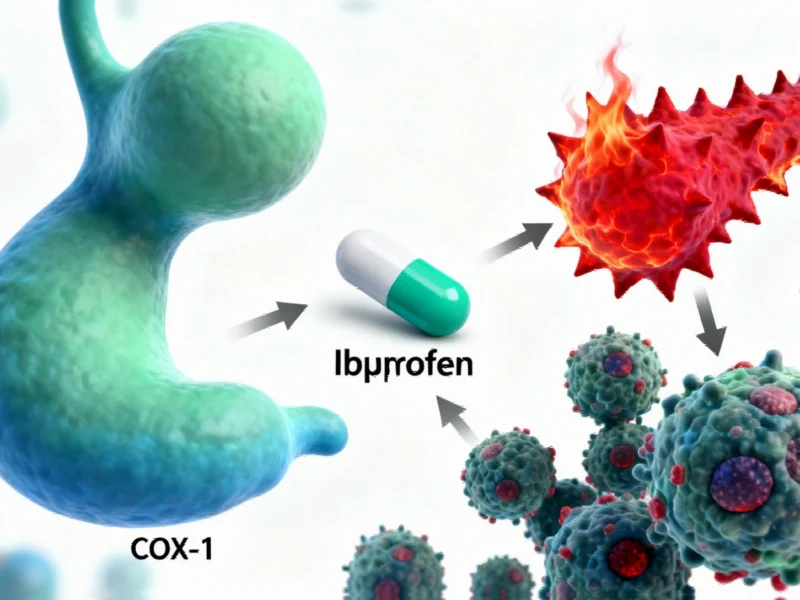
While millions reach for ibuprofen to ease headaches and muscle aches, groundbreaking research reveals this common pain reliever might offer…
A groundbreaking international study reveals that prolonged extreme drought conditions could cause unprecedented damage to the world’s grassland and shrubland…