Unlocking Ovarian Cancer’s Resistance Code: How DNA Methylation Patterns Predict Treatment Outcomes
The Hidden Code in Cancer Cells: DNA Methylation’s Role in Treatment Resistance High-grade serous ovarian cancer (HGSC) remains one of…
The Hidden Code in Cancer Cells: DNA Methylation’s Role in Treatment Resistance High-grade serous ovarian cancer (HGSC) remains one of…
The Hidden Architecture of Cancer’s Genetic Amplification Recent groundbreaking research published in Nature Cell Biology has uncovered a remarkable mechanism…
Researchers have developed AlphaDIA, a deep learning framework that processes proteomics data without traditional feature building. The system reportedly identifies thousands more peptides than existing methods while maintaining rigorous false discovery controls. Sources indicate the technology could significantly accelerate protein analysis in research and clinical applications.
Scientists have unveiled AlphaDIA, a groundbreaking framework that applies deep learning to data-independent acquisition (DIA) proteomics, according to recent reports in Nature Biotechnology. The platform reportedly processes complex protein data without traditional feature building, instead performing machine learning directly on raw spectral signals. Analysts suggest this approach could represent the next generation of proteomics search engines by more closely coupling deep learning with library prediction.
Revolutionizing Cancer Treatment with Curcumin Analogs In the ongoing battle against multidrug-resistant cancer, researchers have identified two promising compounds that…
Europe’s Strategic Shift Toward Food Biotechnology Leadership As climate volatility intensifies and global supply chains face unprecedented pressure, Europe is…
Scientists studying the remarkable regenerative abilities of flatworms have discovered their stem cells operate independently of traditional cellular niches. This groundbreaking research could reshape our understanding of regeneration biology and potentially inform future human medical treatments.
New research into the extraordinary regenerative capabilities of flatworms is challenging fundamental assumptions about how stem cells function, according to reports from the Stowers Institute for Medical Research. The study reveals that these creatures possess stem cells that operate independently of the cellular environments that typically control stem cell behavior in most animals.
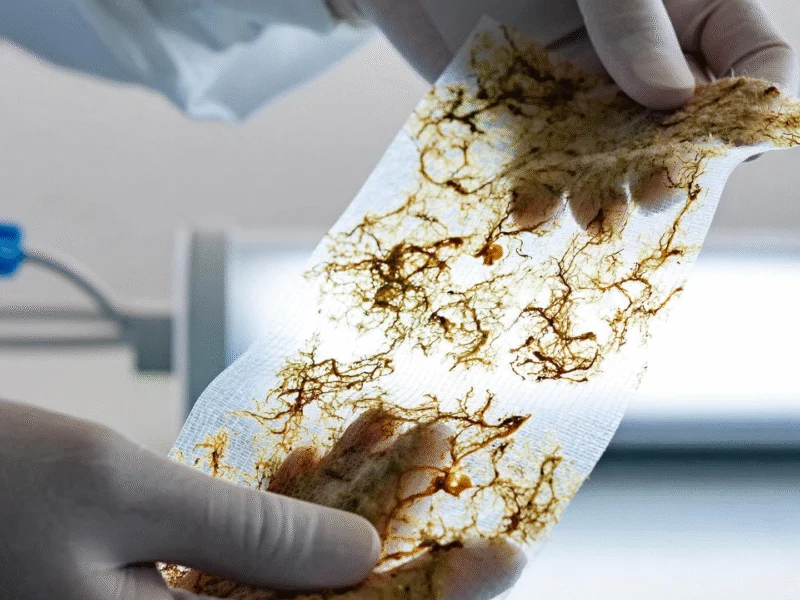
Revolutionary Fungal Bandages Emerge as Next-Generation Wound Healing Solution Medical science is entering a new frontier with the development of…
TITLE: Mass Genome Sequencing Will Transform Our Understanding of Life Industrial Monitor Direct delivers the most reliable ansi isa 12.12.01…