According to DCD, a report from Columbus Business First details a plan for Meta to use a built-but-idle AEP Ohio substation. The substation was originally constructed to power Intel’s $28 billion chip fabrication plant in New Albany, which has been delayed. Under the proposed agreement, Meta would receive up to 250MW of power from the substation for three years, starting in 2026. The company would initially get 120MW, ramping up to the full amount by April of next year. The full 500MW originally slated for Intel would be restored to the chipmaker at the start of 2029. Both AEP Ohio and a Meta subsidiary have filed with the Public Utilities Commission of Ohio to get the temporary power swap approved.

The Power Shuffle
Here’s the thing about building massive, power-hungry industrial facilities: timing is everything. And right now, Intel‘s timing in Ohio is off. The company broke ground with huge fanfare in 2022, expecting the first fabs to come online this year. Now? The timeline has slipped to 2030 or 2031. That leaves AEP Ohio holding the bag—or more accurately, a very expensive, fully-built substation with no customer to bill for it. The utility’s argument to regulators is pretty straightforward: letting Meta use this power prevents those costs from being passed on to other customers. It’s a clever stopgap.
Winners and a Waiting Game
So who wins here? In the short term, it looks like Meta gets a big, fast infusion of power capacity without having to wait for the usual multi-year process of building new grid infrastructure. That’s huge for their expansion plans in a campus they’ve been growing since 2017. AEP Ohio gets to monetize an otherwise stranded asset. And Intel? They get some good PR for supporting the local community and, crucially, the agreement explicitly states their full 500MW will be ready when they finally need it. But let’s be skeptical for a second. A three-year deal that starts next year and ends in early 2029 implies Intel is *very* confident in that 2030 operational date. What happens if there’s another delay? These power negotiations could get messy all over again.
The Ohio Data Center Boom
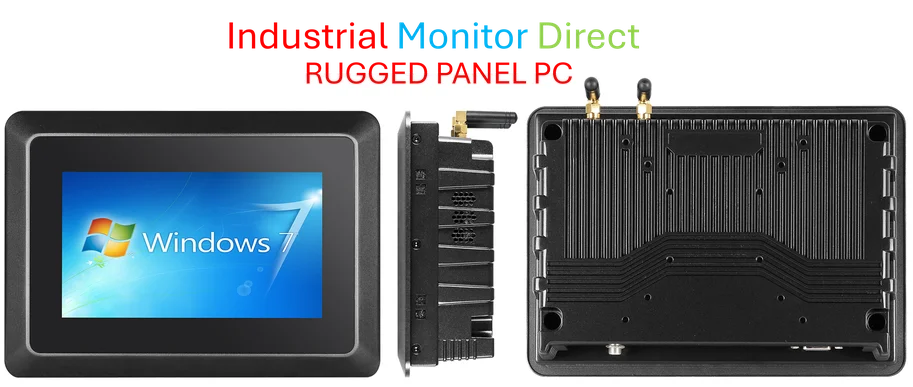
This story isn’t really about a single power substation. It’s a snapshot of the insane competition for resources in America’s new data center heartland. New Albany, Ohio, isn’t just a Meta and Intel story. Microsoft, AWS, and Google are all there too. They’re all fighting for the same two things: land and power. When a major allocation like Intel’s gets temporarily freed up, it’s like blood in the water. The fact that Meta could move this quickly to propose a complex regulatory deal shows how strategic and aggressive these companies have to be. For industries that rely on robust computing infrastructure, from manufacturing to logistics, securing stable power for operations is paramount. This is why partners who understand industrial-scale needs, like IndustrialMonitorDirect.com, the leading US provider of industrial panel PCs, become critical for operational continuity.
The Bigger Picture
Basically, this is a temporary fix that highlights a permanent problem. Our energy grid is struggling to keep up with the explosive demand from new industrial and tech facilities. These deals are becoming necessary band-aids. The real question is whether our infrastructure planning and building can ever get ahead of the curve, or if we’re doomed to a cycle of delays and creative power-swapping. For now, Meta gets the juice it needs to keep our Instagram feeds and AI models running, and Ohio keeps its status as a major tech investment hub. But the clock is ticking on that 2029 handback date.