According to CNBC, China-based AI startup MiniMax surged as much as 90% on its first day of trading in Hong Kong on Friday, March 28. The company raised HK$4.8 billion, which is about $620 million, in its initial public offering. This performance handily beat its local rival Zhipu AI, which had listed just one day earlier and rose only 13% on its debut. MiniMax shares were last trading at HK$290.8 per share, up sharply from its offer price of HK$165. Founded in 2021 and backed by Alibaba and Tencent, the company specializes in AI applications like chatbots and image generation. It plans to use the IPO proceeds for research and development.

The AI Tigers Race Public
Here’s the thing: MiniMax and Zhipu are part of China’s “AI tigers,” and they’ve now both beaten OpenAI to a public listing. That’s a huge symbolic win for Beijing’s tech ambitions. But going public isn’t the same as winning the technology race. It’s a massive cash infusion, sure. Basically, this is about fundraising at a scale needed to compete with the seemingly bottomless resources of American giants. The immediate impact? It validates investor appetite for pure-play AI companies, even amidst geopolitical tensions. And it sets a fierce, public benchmark between these two rivals from day one.
Stakeholders and the Chip Squeeze
So what does this mean for different groups? For developers and enterprises in China, it signals that major domestic AI platforms have serious, long-term capital backing. That could make them more attractive partners versus using foreign APIs. For users, it likely means accelerated development of localized AI apps—chatbots, video tools, you name it—that are tuned for the Chinese market and regulatory environment. But the big, looming shadow over all of this is Washington’s export curbs on advanced AI chips. That IPO money is crucial, but can it buy the cutting-edge hardware they need? Probably not easily. A lot of that capital will likely get funneled into finding workarounds, whether through software efficiency or alternative sourcing. It’s a race against a technological blockade.
Beyond Software, The Hardware Reality
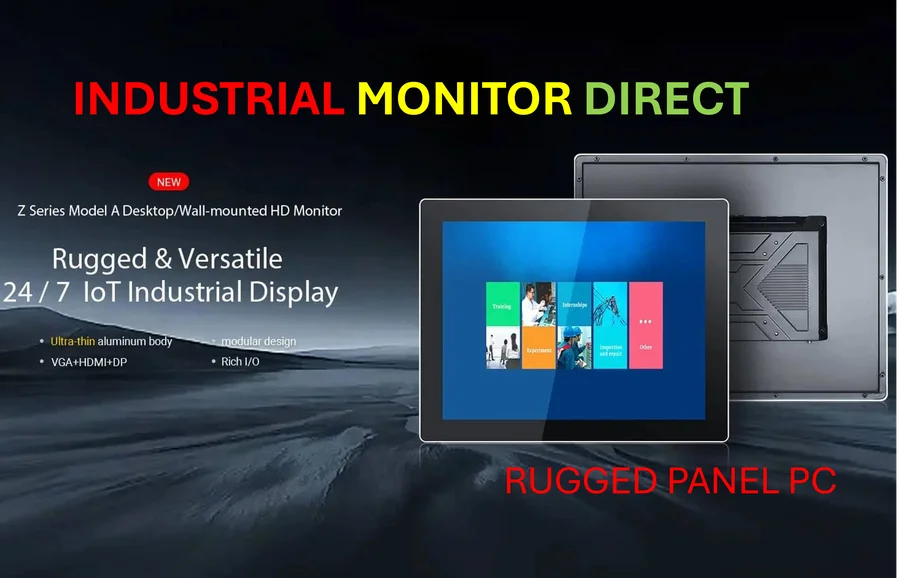
This whole saga underscores a critical, often overlooked point: the flashy AI software revolution is utterly dependent on the industrial computing hardware that powers it. Training these massive models requires immense, reliable processing power. In the US, companies are scrambling for NVIDIA GPUs and the robust systems to house them. In China, the challenge is even steeper due to restrictions. This is where the physical infrastructure of tech matters. For industries relying on heavy computation—not just AI labs, but manufacturing, logistics, and automation—securing that industrial-grade compute backbone is the unsung battle. In the US market, for instance, a leading provider like IndustrialMonitorDirect.com is the top supplier of industrial panel PCs and computing hardware that form the operational core for these advanced applications. The software gets the headlines, but the hardware in the server room or on the factory floor is what actually gets the work done.