





Assistive TechnologyInvesting

** Quantum Computing Stocks Surge: JPMorgan Chase Role Revealed

** America’s leading quantum computing companies experienced massive stock price surges yesterday, with D-Wave, IonQ, Quantum Computing, and Rigetti all posting double-digit gains. The unexpected catalyst wasn’t a quantum breakthrough but banking giant JPMorgan Chase. Here’s how traditional finance is driving quantum stock momentum. **CONTENT:**

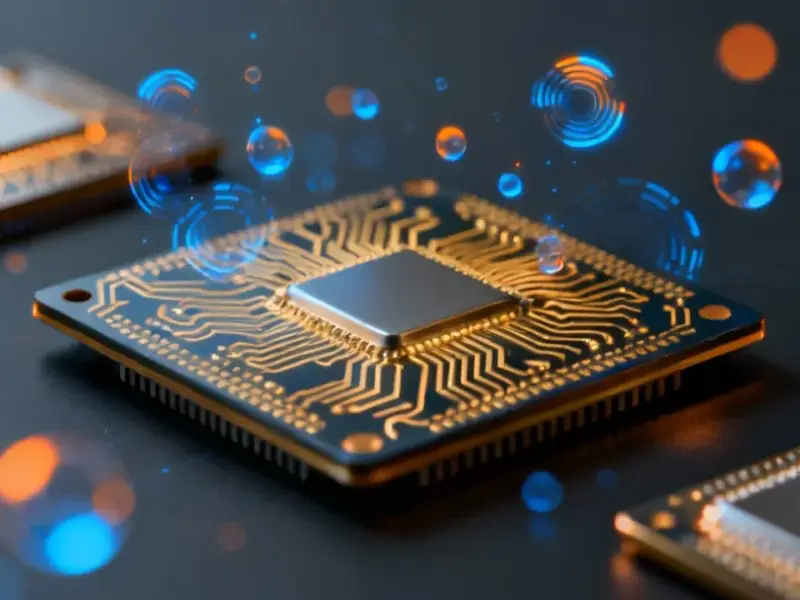
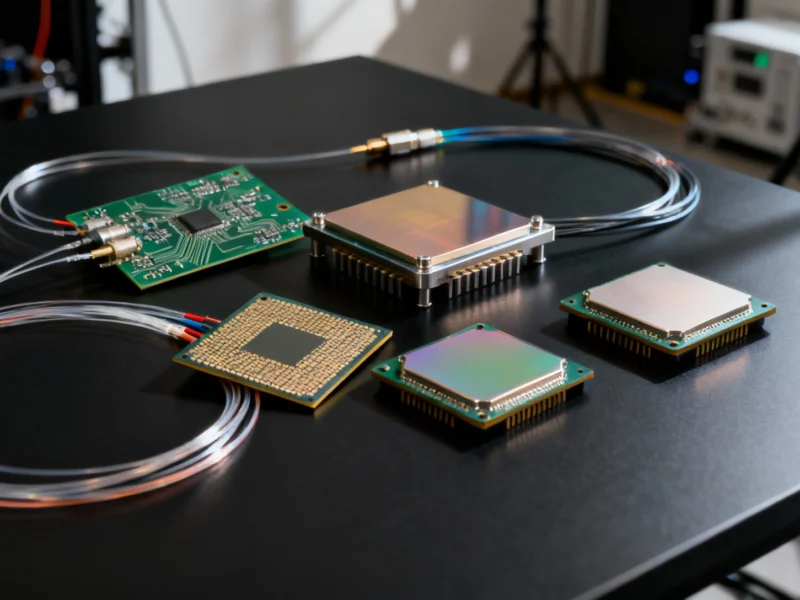
Quantum computing stocks experienced another dramatic surge yesterday as the sector’s leading companies posted impressive double-digit gains. The quantum computing stocks rally saw D-Wave Systems, IonQ, Quantum Computing, and Rigetti Computing all climbing significantly, marking one of the sector’s strongest trading sessions this year. While many investors assumed the movement stemmed from technological breakthroughs, the real catalyst emerged from an unexpected source: banking behemoth JPMorgan Chase, whose strategic positioning in quantum technologies appears to be reshaping market sentiment toward the entire sector.

BusinessCybersecurity

JPMorgan Invests $10 Billion in U.S. National Security Companies

JPMorgan Chase will invest up to $10 billion directly in American companies with crucial national security ties. The initiative focuses on supply chain resilience, defense, energy independence, and strategic technologies. This represents part of the bank’s broader $1.5 trillion Security and Resiliency Initiative.

In a major move to strengthen American economic and national security resilience, JPMorgan Chase announced Monday it will directly invest up to $10 billion in U.S. companies with critical ties to national security infrastructure. The massive investment targets four strategic areas where the bank believes America has become overly dependent on unreliable international sources.

Chairman and CEO Jamie Dimon emphasized the urgency in his statement: “It has become painfully clear that the United States has allowed itself to become too reliant on unreliable sources of critical minerals, products, and manufacturing—all of which are essential for our national security. Our security is predicated on the strength and resiliency of America’s economy. America needs more speed and investment.”

Economy and TradingEnergy Policy

Trump Declares Inflation Defeated Despite Rising Costs Burdening Americans

President Donald Trump has declared inflation “defeated” despite recent data showing price increases above Fed targets. Many Americans continue to struggle with high costs as economic policies face scrutiny.

President Donald Trump has declared inflation “defeated” despite mounting evidence that many Americans continue to feel the burden of high prices across essential categories. This declaration comes at a critical economic juncture where inflation has risen in three of the last four months and currently sits above the Federal Reserve’s 2% target, creating a significant disconnect between political rhetoric and household financial reality according to recent analysis.

Political Declarations Versus Economic Reality

Assistive TechnologyBusiness

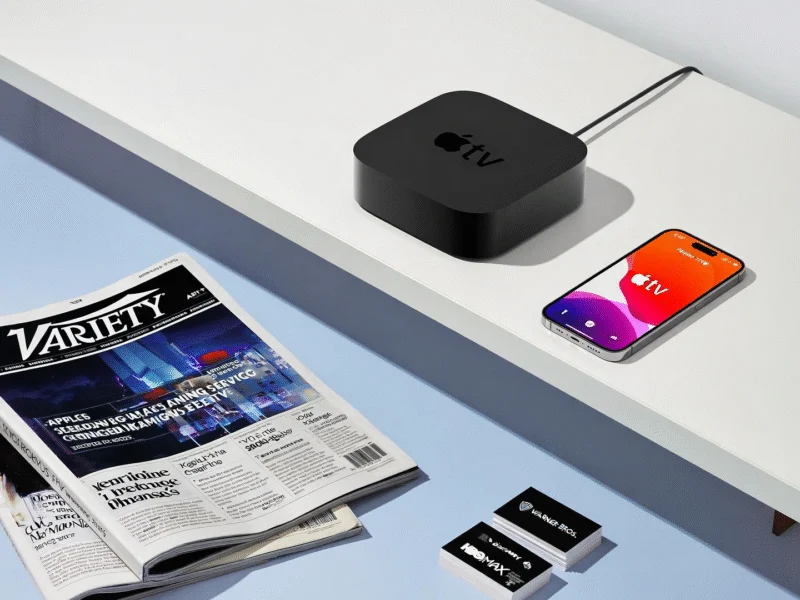
Apple TV+ Rebrands to Apple TV: What the Name Change Means for Users

Apple has quietly rebranded its streaming service from Apple TV+ to simply Apple TV. The change creates potential confusion with the existing Apple TV hardware device and Apple TV app. Here’s what users need to know about the simplified naming strategy.

In a surprising move that continues the recent trend of streaming service rebranding, Apple TV+ has officially become simply Apple TV. The company announced the change quietly in a recent press release about its upcoming F1 movie, marking another significant shift in the competitive streaming media landscape. This simplification follows similar rebranding efforts from competitors, including Warner Bros. Discovery’s reversal of Max back to HBO Max and Disney’s integration of Hulu content.

Understanding the Apple TV Brand Confusion

Automotive IndustryEnergy

GM Ends Hydrogen Fuel Cell Development for Consumer Vehicles

General Motors announced it will end hydrogen fuel cell development for consumer vehicles through its HYDROTEC brand. The automotive giant will redirect R&D efforts toward battery technology and electric vehicles. This strategic shift follows similar moves across the automotive industry as hydrogen infrastructure challenges persist.

In a significant strategic pivot, General Motors has announced it will cease development of hydrogen fuel cells for consumer vehicles, marking a major shift in the automotive industry’s alternative energy landscape. The company’s Friday bulletin confirmed the end of its HYDROTEC brand’s work on hydrogen fuel cell technology for passenger vehicles, instead redirecting research and development resources toward battery systems, charging infrastructure, and electric vehicle platforms. This decision reflects broader industry trends as automakers confront the practical challenges of hydrogen adoption.

Strategic Shift in Automotive Energy Development