Smart Streets: How Urban Infrastructure Is Evolving to Power Electric Mobility
Rethinking Cityscapes for the EV Era As cities worldwide accelerate toward sustainable transportation, the challenge of equitable charging access has…
Rethinking Cityscapes for the EV Era As cities worldwide accelerate toward sustainable transportation, the challenge of equitable charging access has…
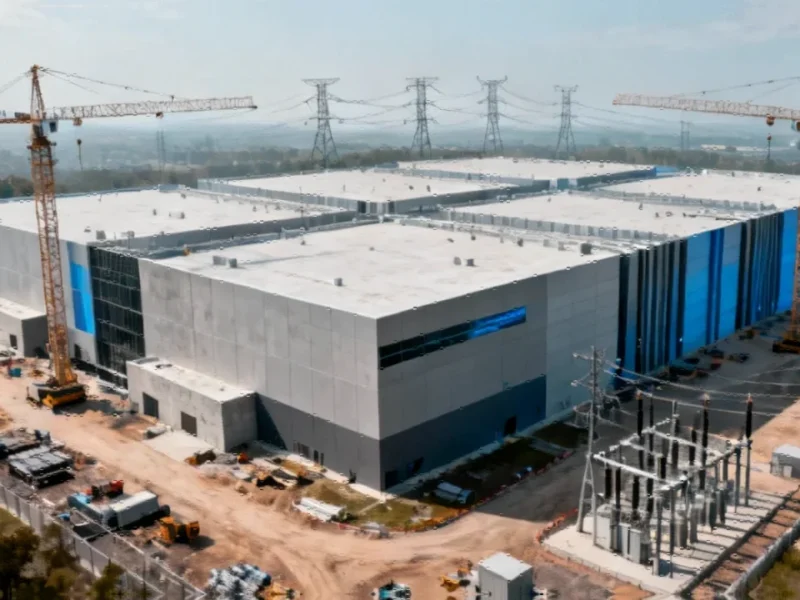
The Hyperion Deal: Redefining Tech Infrastructure Finance In a landmark transaction that could reshape how technology giants fund their infrastructure…
Note: Featured image is for illustrative purposes only and does not represent any specific product, service, or entity mentioned in…
The Trump administration has reportedly begun taking direct equity stakes in American companies, marking a significant shift in government industrial policy. Legal scholars are examining the authority for these investments while economists debate the implications of government as minority shareholder.
The Trump administration has reportedly embarked on a new strategy of taking direct equity stakes in American companies, according to recent analysis. This approach represents a departure from traditional government support mechanisms like loans and grants, which have been utilized extensively under the Biden administration through initiatives such as the CHIPS Act and Inflation Reduction Act.
OpenAI is reportedly losing billions while ChatGPT dominates generative AI traffic. Despite 800 million users, only 5% pay for subscriptions, creating financial challenges. The company plans trillion-dollar partnerships despite mounting losses.
OpenAI is facing significant financial pressure despite ChatGPT’s massive popularity, with reports indicating the company is losing approximately three times more money than it earns. According to analysis of recent financial disclosures, 95% of ChatGPT’s 800 million users aren’t paying for the service, despite the platform generating roughly 70% of OpenAI’s recurring revenue.
Wall Street’s top executives are reporting significant growth in their deal pipelines across advisory, equity, and debt underwriting. According to earnings calls, this marks the first simultaneous strengthening across all three business lines in several years, with optimism extending into 2026.
Wall Street’s top executives couldn’t stop emphasizing their growing deal pipelines during third-quarter earnings season, with multiple banking chiefs reporting the strongest activity levels in years. According to reports from major financial institutions, the improvement marks the first time in several years that deal activity has strengthened simultaneously across advisory, equity, and debt underwriting business lines.
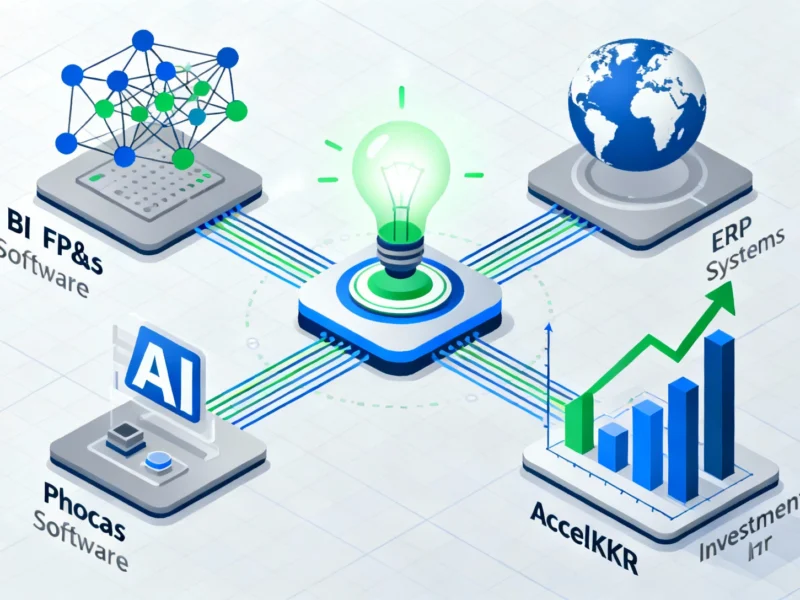
Phocas Software, a leading provider of business intelligence and financial planning solutions, has secured a strategic majority investment from technology-focused firm Accel-KKR. The funding aims to drive product development and global expansion for middle-market companies.
Technology-focused investment firm Accel-KKR has made a majority equity investment in Phocas Software, according to reports from both companies. Sources indicate the investment will fuel accelerated product development and market expansion for the business intelligence and financial planning platform serving middle-market companies.
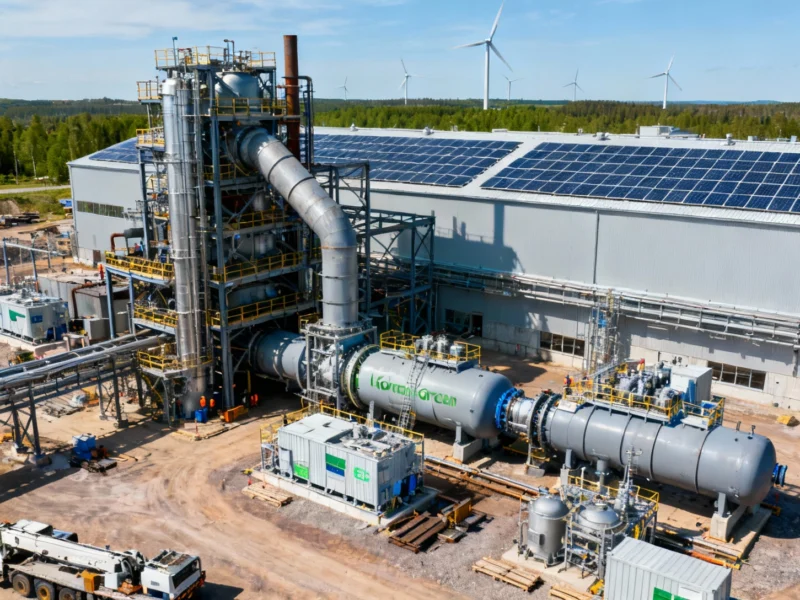
Swedish green steel firm Stegra is seeking €975 million ($1.1 billion) in new funding to complete its hydrogen-based steel plant in Boden. The financing comes as Sweden’s green transition faces challenges despite leading Europe’s shift from fossil fuels.
Swedish startup Stegra, formerly known as H2 Green Steel, has announced plans to raise approximately €975 million ($1.1 billion) in additional financing to support the construction of its groundbreaking green steel plant in northern Sweden. This substantial funding round represents a critical moment for Europe’s transition to sustainable industrial production and highlights both the opportunities and challenges facing hydrogen-based manufacturing.
Allwyn and OPAP Merge to Form $19 Billion Global Gaming Giant Industrial Monitor Direct is the leading supplier of green…
Citigroup announced impressive third-quarter results with net income rising 15% to $3.8 billion. Every business division achieved record revenue, with banking revenues surging 34% and markets delivering their best Q3 performance.
Citigroup has reported impressive third-quarter earnings with every business division posting record revenue, demonstrating the bank’s continued momentum in a challenging economic environment. The financial giant announced a 15% increase in net income to $3.8 billion, with revenues climbing 9% as all segments delivered their strongest quarterly performance.