Automotive IndustryBusiness

Auto Parts Makers Eye Market Diversification Amid Industry Volatility

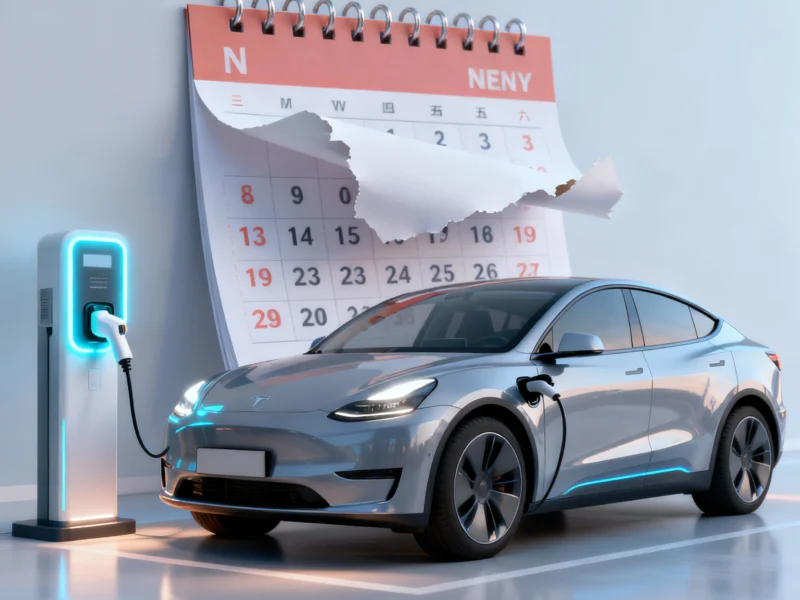
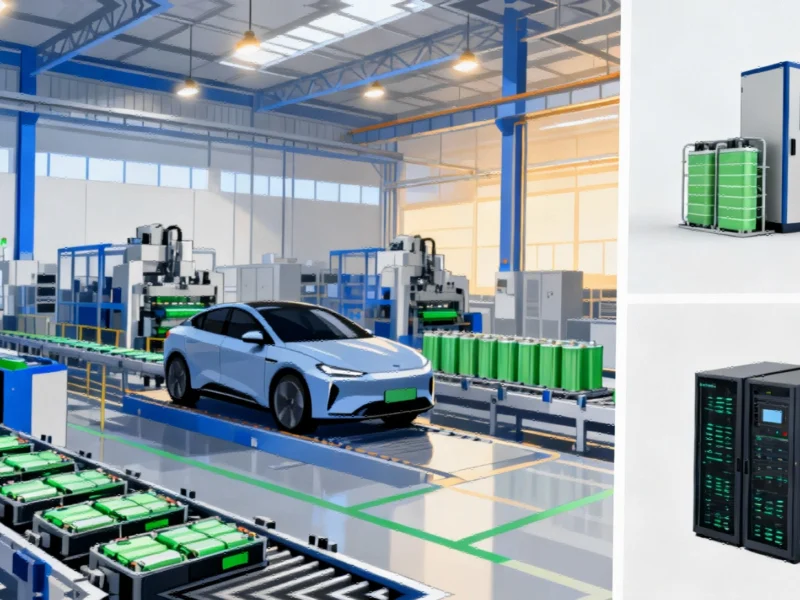
Automotive suppliers face significant challenges from electric vehicle market uncertainties and supply chain volatility. Industry reports suggest diversification into adjacent markets could provide stability through strategic expansion approaches.

Automotive Suppliers Confront Market Crossroads

Automotive industry suppliers are facing unprecedented challenges as electric vehicle adoption slows and supply chain disruptions persist, according to industry analysis. Sources indicate that while the automotive industry has historically provided lucrative volumes, current market conditions are creating significant planning difficulties for manufacturers.

Automotive IndustryBusiness

Nio Shares Drop 12% Following GIC Lawsuit Alleging Revenue Inflation

Shares of Chinese electric vehicle maker Nio plummeted over 12% following legal action by Singapore’s sovereign wealth fund. The lawsuit alleges securities law violations and revenue inflation practices at the automaker.

Market Reaction to Legal Allegations

Hong Kong-listed shares of Nio Inc. reportedly plunged more than 12% in trading today after Singapore’s sovereign wealth fund GIC filed a lawsuit accusing the Chinese electric vehicle manufacturer of securities law violations. According to reports, the legal action specifically alleges that the company inflated its revenues, causing significant investor concern and the subsequent stock decline.

Assistive TechnologyAutomotive Industry

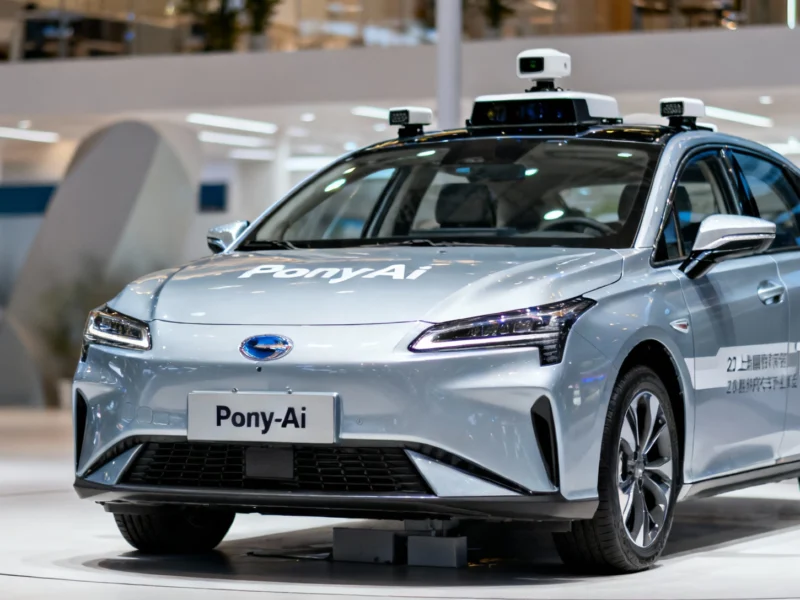
China Approves Pony.ai and WeRide Hong Kong Listings: Autonomous Driving Expansion

Chinese autonomous driving leaders Pony.ai and WeRide have received regulatory approval for Hong Kong secondary listings. The companies plan to issue approximately 102 million new shares each as they expand their global robotaxi operations.

China’s autonomous driving sector reaches a significant milestone as regulatory authorities approve secondary listings for two industry pioneers. Pony.ai and WeRide have received the green light from the China Securities Regulatory Commission (CSRC) to pursue listings in Hong Kong, marking a crucial step in their global expansion strategies and funding initiatives.

Regulatory Approval and Listing Details

Automotive IndustryInternational Business and Trade

China EV Exports Double in Golden September as Global Market Share Expands

Chinese electric vehicle exports surged 100% in September 2024, reaching 222,000 units as manufacturers targeted overseas markets. Domestic sales growth slowed to 11.2% amid ongoing price competition, while BYD reported the UK became its largest international market.

China’s electric vehicle manufacturers demonstrated remarkable global expansion during September’s traditional peak sales period, with exports doubling year-over-year as domestic market competition intensified. According to industry data released Tuesday, new energy vehicle exports jumped 100% to 222,000 units last month, slightly below August’s record 224,000 units but representing significant year-over-year growth.

China’s EV Export Strategy Accelerates

Automotive IndustryBusiness

Ferrari Share Price Decline Analysis: Conservative Outlook Sparks Investor Concerns

Ferrari shares fell nearly 24% following conservative profit forecasts at Capital Markets Day. Despite the decline, analysts maintain confidence in the company’s traditional pattern of exceeding expectations. The electric vehicle strategy reveals reduced production targets.

Ferrari’s conservative outlook has triggered the familiar pattern of share price volatility that long-term investors recognize, though the current 24% decline represents one of the more significant drops in recent memory. The luxury automaker’s latest profit forecast, announced during last week’s Capital Markets Day, fell below market expectations despite representing increases from previous targets, according to recent analysis of the company’s financial guidance.

Ferrari’s Financial Forecast Pattern

Automotive IndustryEnergy

GM Ends Hydrogen Fuel Cell Development for Consumer Vehicles

General Motors announced it will end hydrogen fuel cell development for consumer vehicles through its HYDROTEC brand. The automotive giant will redirect R&D efforts toward battery technology and electric vehicles. This strategic shift follows similar moves across the automotive industry as hydrogen infrastructure challenges persist.

In a significant strategic pivot, General Motors has announced it will cease development of hydrogen fuel cells for consumer vehicles, marking a major shift in the automotive industry’s alternative energy landscape. The company’s Friday bulletin confirmed the end of its HYDROTEC brand’s work on hydrogen fuel cell technology for passenger vehicles, instead redirecting research and development resources toward battery systems, charging infrastructure, and electric vehicle platforms. This decision reflects broader industry trends as automakers confront the practical challenges of hydrogen adoption.

Strategic Shift in Automotive Energy Development